A garden can look under control one week and suddenly feel overwhelming after a run of rain, a burst of summer heat or a busy month at work. This garden maintenance guide is designed for Northern Rivers homeowners who want an outdoor area that looks cared for, works for family life and does not become another weekend-long job.
Good maintenance is not about making every garden look formal. It is about keeping lawns healthy, plants suited to their position, paths clear and garden beds manageable. The right routine also protects the work you have already invested in, whether that is a new turf area, established hedges, paved entertaining space or a full garden makeover.
Start with the conditions in your yard
Northern Rivers gardens face a particular mix of conditions. Strong sun, humid summers, heavy rainfall, dry stretches and fast-growing vegetation can all place pressure on a garden. A plant that performs beautifully in a sheltered Alstonville yard may struggle in a hot, exposed Lennox Head garden or a low-lying area closer to Ballina.
Before adding more plants or committing to a maintenance schedule, look at where water sits after rain, which areas receive harsh afternoon sun and where tree roots compete for moisture. Soil can vary significantly across one property too. A garden bed near the house may be improved soil, while a boundary garden may be compacted clay or sandy fill.
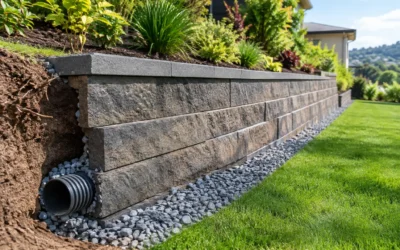
These details guide practical decisions. Sun-exposed beds generally need hardy, drought-tolerant planting and a layer of mulch to hold moisture. Damp corners need plants that can handle wet feet, along with drainage improvements if water is pooling around structures. There is no single watering or fertilising rule that suits every garden.
Keep lawns neat without stressing them
A well-maintained lawn makes the whole property feel cleaner and more usable, but mowing too low is one of the quickest ways to weaken turf. Scalped grass loses moisture faster, allows weeds to establish and can develop bare patches during hot weather.
Set the mower height to leave enough leaf on the grass to shade the soil. During active growing periods, regular mowing is better than removing a large amount in one cut. In slower, cooler weather, mowing can be less frequent. The right timing depends on the turf variety, rainfall, shade and how much wear the area receives from children, pets or regular entertaining.
Lawn edges deserve attention as well. Neat edges along garden beds, paths and driveways create a finished look, even when the garden itself has a relaxed style. Keep clippings off paved areas and out of drains, particularly before heavy rain.
Water deeply rather than giving the lawn a light sprinkle every day. A deeper soak encourages roots to grow down where they are better protected from heat. If water runs off before soaking in, the soil may be compacted or hydrophobic. Aeration, wetting agents and improved organic matter can help, but the best approach depends on the condition of the site.
Prune for plant health, not just a tidy shape
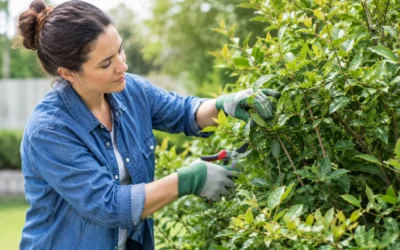
Pruning keeps shrubs, small trees and hedges under control, but it should be done with a clear purpose. Remove dead, damaged or crossing branches first. Then consider whether the plant needs better airflow, a reduced size, more light beneath it or a more balanced shape.
Hedges respond best to regular light trimming. Leaving them too long between cuts often means cutting back into old, bare wood, which can take time to fill out again. For privacy screens, this matters. A dense hedge gives shade and separation from neighbours, while an uneven or heavily cut-back hedge can leave a property feeling exposed.
Flowering plants need more judgement. Some should be pruned after flowering, while others are best tidied at different times of year. Cutting at the wrong stage may remove the next display of flowers. If you are unsure, avoid a major cut until the plant has been identified and its growth habit understood.
Always use clean, sharp tools. Blunt blades tear stems instead of making a clean cut, which can leave plants more vulnerable to disease. For taller trees, branches near powerlines or large limbs over roofs and outdoor areas, use a qualified professional rather than attempting risky work from a ladder.
Look after garden beds from the ground up
Healthy garden beds are less demanding than neglected ones. A regular check for weeds, compacted soil, exposed roots and dry mulch can prevent bigger problems later. Weeds are easiest to remove after rain or watering, when roots release from the soil more readily.
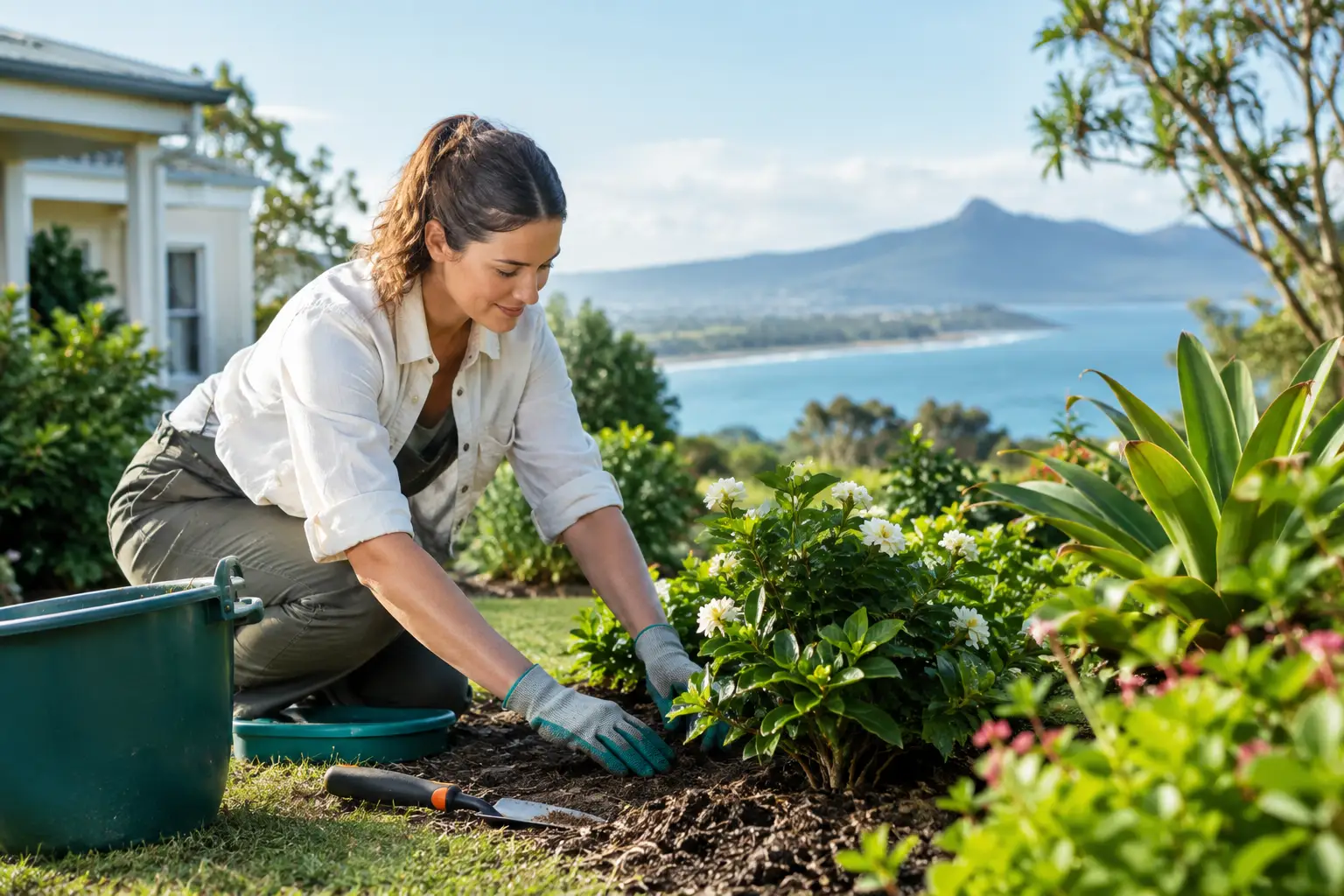
Mulch is one of the most useful tools in a Northern Rivers garden. It moderates soil temperature, reduces water loss, suppresses weeds and improves the appearance of a bed straight away. Apply it thick enough to do its job, but keep it clear of trunks and stems. Mulch piled against plants can trap moisture and contribute to rot or pest problems.
Fertiliser should match the plant and the season. Fast-growing hedges, productive fruit trees and flowering plants may benefit from targeted feeding, while native plants can be sensitive to products high in phosphorus. More fertiliser is not always better. Overfeeding can create soft growth that attracts pests, washes into waterways or leaves plants struggling when conditions turn dry.
When replacing plants, choose for the site rather than for a photo. Consider mature size, sun exposure, drainage, maintenance requirements and how the plant will look through the year. A garden with fewer suitable plants is often more attractive and far easier to maintain than a crowded bed of plants that are constantly battling the conditions.
Use water wisely and check irrigation regularly
An irrigation system can save time and keep plants more consistent through dry weather, but only if it is working properly. Check sprinklers and drippers at least each season. Look for blocked nozzles, broken fittings, water spraying onto paths and emitters that are no longer reaching plant roots.
Drip irrigation is often a practical choice for garden beds because it delivers water directly to the soil with less evaporation. Sprinklers can suit lawns, although wind, heat and poor placement can make them inefficient. In either case, early morning watering is usually preferable to watering in the middle of a hot day.
Adjust the schedule after meaningful rain. Automatic systems are convenient, but they should not run blindly through wet periods. On sloping blocks, shorter watering cycles may be needed to stop water running downhill before it has time to soak in.
Work with the seasons, not against them
A simple seasonal rhythm helps avoid the last-minute rush before visitors arrive or before a property starts looking neglected. In late winter and spring, focus on weed control, feeding where appropriate, lawn recovery and planting. This is also a good time to repair edges, refresh mulch and assess irrigation before warmer weather arrives.
Summer is about managing growth and moisture. Mow regularly, monitor for heat stress, clear fallen branches after storms and keep an eye on pests and fungal issues in humid conditions. Avoid heavy pruning during extreme heat unless there is a safety concern.
Autumn is useful for planting, reshaping beds and tackling overgrown areas while conditions are milder. Winter is often the time for structural jobs such as pruning selected deciduous plants, improving drainage, repairing paths or planning a larger landscaping project before spring growth begins.
Know when ongoing help is worth it
Some homeowners enjoy spending time in the garden but need a hand with larger clean-ups, hedge reduction or regular lawn work. Others want their outdoor spaces to look good without giving up every second weekend. Both are valid reasons to arrange professional maintenance.
Regular visits can be tailored to the property. A compact home garden may only need a monthly tidy, while a larger lifestyle block or fast-growing subtropical garden may benefit from more frequent attention. The key is clear communication about what matters most: lawn presentation, weed control, hedges, garden health, rubbish removal or preparing the property for a sale, holiday guests or an event.
Evolve Gardens & Landscaping can help homeowners across the Northern Rivers keep established gardens looking their best while also identifying practical improvements that reduce future maintenance. A tidy-up may reveal that a drainage fix, new planting plan, turf repair or privacy screen would make the space more functional for years to come.
The best garden maintenance plan is one you can realistically keep up with. Start with the areas you use and see every day, give plants what their position requires, and get help before an overgrown garden turns into a much bigger job.