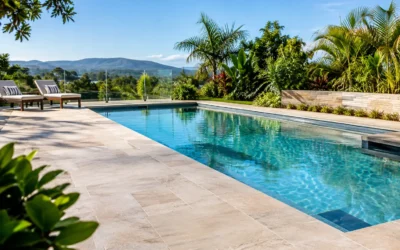
A well-paved garden area can turn an unused patch of lawn, mud near the back door or an awkward side yard into part of everyday life. Choosing a garden paving contractor Byron Bay homeowners can rely on is about more than finding a surface that looks good on day one. The work needs to suit how you use the space, cope with wet weather and heat, and be built on a base that will stay stable over time.
For Northern Rivers homes, paving is often the link between the house, garden, pool, clothesline, entertaining area and lawn. Getting that link right makes the whole property easier to enjoy and maintain.
Start with the way you want to use the area
Before choosing pavers, think about what the space needs to do. A small path to the washing line has different requirements from a large entertaining terrace, pool surround or paved courtyard where children ride scooters. The best layout follows the natural routes people already take around the yard while creating enough room to move comfortably.
For an outdoor dining setting, allow space not only for the table and chairs, but for chairs to be pulled out and for people to walk around them. A narrow path may be perfectly practical beside a house, while a garden seating area benefits from more generous proportions. On sloping blocks, levels and access need careful thought from the start. Trying to solve those issues after materials are ordered can lead to compromises that affect the finished result.
It also helps to consider the garden around the paved area. Leaving room for planting beds can soften hard surfaces, provide privacy and reduce reflected heat. A paved space should feel connected to the garden, not dropped into the middle of it.
Why ground preparation matters more than most people expect
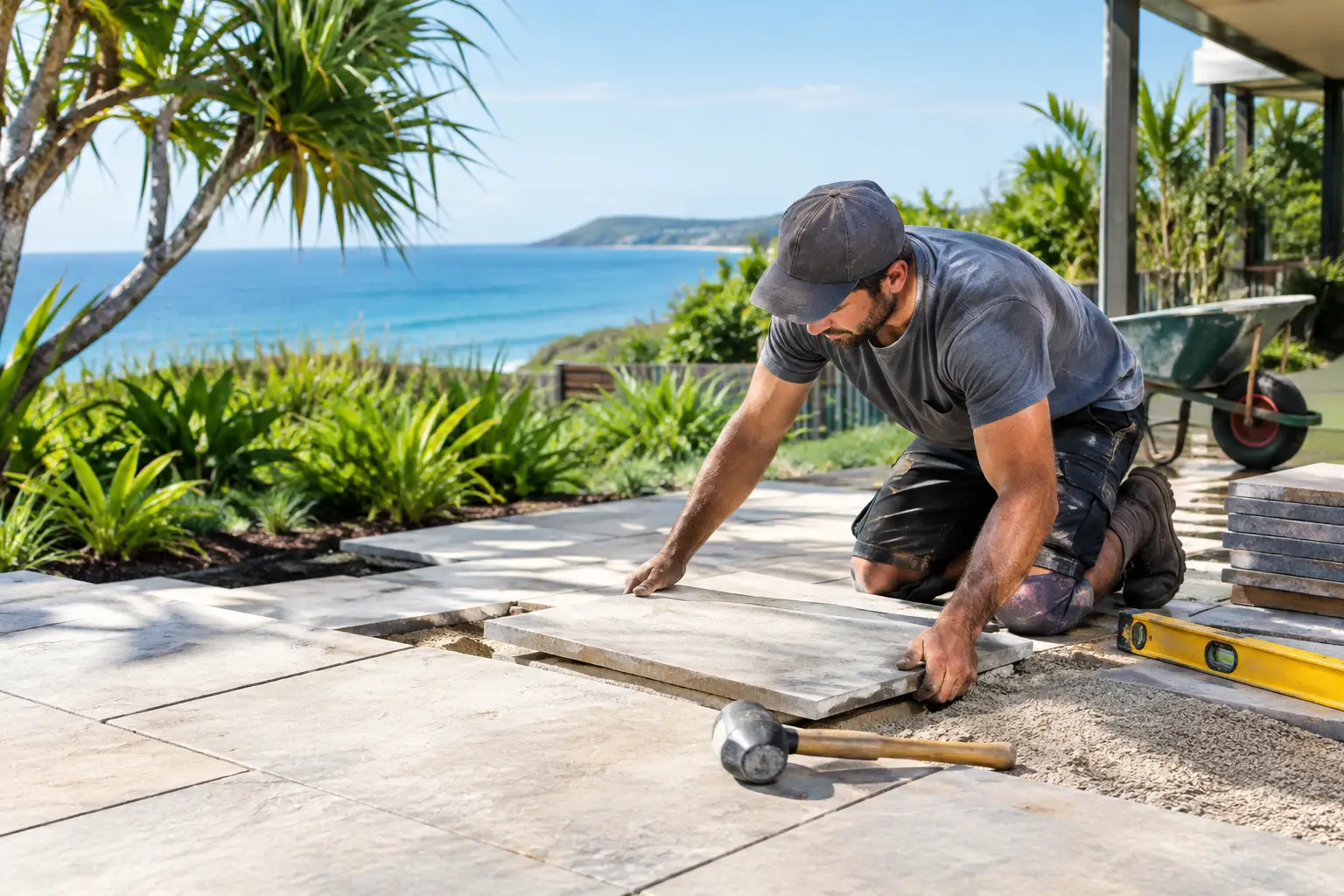
The pavers are the visible part of the job, but the preparation underneath determines whether the surface remains level. A proper paving project generally involves excavation, a compacted road base, bedding material, accurate levels and secure edge restraints. The exact build-up depends on the site, intended use and chosen material.
Poor preparation can show up later as low spots, loose pavers, uneven edges or water sitting where it should not. Heavy outdoor furniture, frequent foot traffic and vehicles all place different demands on a paved surface. A footpath and a driveway should never be built to the same specification simply because they use similar-looking pavers.
Northern Rivers properties can present mixed conditions, including sandy ground, clay soils, established tree roots and areas affected by previous drainage changes. An experienced contractor assesses the existing site rather than assuming one method suits every backyard. If roots, old concrete, services or a significant slope are found, it is better to discuss the practical options before work begins.
Drainage is part of good garden paving in Byron Bay
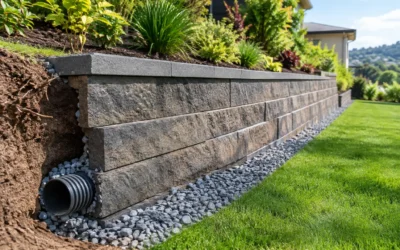
Byron Bay’s warm conditions and periods of heavy rain make drainage a central part of paving design. Water needs a planned path away from the home and away from areas where it can undermine the base or make the garden boggy. This is not just a detail for the end of the job – it influences the levels, falls and layout from the beginning.
A paved area should have enough fall to shed water without feeling noticeably sloped underfoot. Depending on the site, drainage may involve directing water towards a garden bed, an existing legal drainage point, a channel drain or another appropriate solution. What works best depends on the property and local site conditions.
It is worth being cautious about paving right up to every boundary or covering a large part of a small yard. More hard surface can mean more runoff. Retaining planted areas, using suitable drainage measures and understanding where water currently travels can protect both the paving and the rest of the landscape.
Choosing paving materials for heat, maintenance and style
There is no single best paving material for every Byron Bay garden. The right choice balances appearance, budget, comfort underfoot and the amount of ongoing care you are happy to give it.
Concrete pavers are a practical choice for many paths, patios and utility areas. They are available in a broad range of sizes and finishes, making it easier to create a neat, consistent surface. Natural stone can bring texture and character, particularly in garden settings, but variations between pieces and the installation method should be allowed for in the project plan. Porcelain pavers can suit a more contemporary look and are often chosen for their clean finish, although the selected product must be appropriate for outdoor use.
Colour matters in coastal conditions. Very dark paving can become uncomfortable in direct sun, while very pale surfaces may show marks more readily and create glare. A mid-tone colour often gives a practical balance, especially in exposed entertaining areas. Texture is equally important around pools, entryways and places that get wet. A surface that looks polished in a showroom may not be the safest choice outside.
The pattern and paver size affect the finished feel too. Larger-format pavers can make a compact courtyard appear calmer and more open, but they demand accurate preparation and careful handling. Smaller pavers can work well on curved paths or detailed areas. A contractor should help you weigh up the visual result against the realities of installation, budget and maintenance.
What to expect from a garden paving contractor in Byron Bay
A reliable contractor should begin with a site visit and a clear conversation about your priorities. This is where practical questions can be answered: What will the paved area be used for? Are there drainage concerns? Will the work connect to existing steps, decking, lawns or retaining walls? Is access tight for materials and equipment?
A useful quote sets out the scope of work clearly. It should identify the area being paved, preparation work, selected materials or allowances, edge treatments, drainage work where required and any exclusions. On larger projects, it is also sensible to discuss the expected sequence of work and realistic timeframes. Weather, material supply and hidden site conditions can affect a project, but good communication means you are not left guessing what is happening.
Cleanliness and respect for the property matter as well. Paving can involve excavation, cutting and deliveries, so a well-organised team will plan access, manage spoil and rubbish, and keep disruption as contained as possible. If the paving is one part of a broader makeover, coordinating it with planting, turf, irrigation, privacy screens or retaining work avoids the frustration of having completed areas disturbed later.
Paving that works with the rest of your garden
The most successful paved areas do not compete with the garden. They provide a durable base for living outdoors while allowing greenery to do its job. Planting near the edge can break up long lines, screen boundaries and provide shade. In heat-exposed yards, selecting hardy plants suited to local conditions can make the paved area more comfortable without creating a high-maintenance garden.
Lighting, built-in seating, steps and screens can also be considered early, even if they are completed in stages. Running irrigation or electrical conduits before paving is laid is far easier than lifting a finished surface later. This is where working with a team that understands both hard landscaping and garden maintenance can make a real difference.
Evolve Gardens & Landscaping brings more than 20 years of hands-on Northern Rivers experience to paving and wider landscape projects. The approach is practical: listen to how you want to use the yard, assess the site properly, provide a clear quote and build a space that suits the home as well as the local climate.
A few decisions that prevent expensive changes later
It is tempting to focus on paver colour first, but the earlier decisions usually have the greatest impact. Confirm the finished height of the paving in relation to doorways, lawn and drainage points. Decide where garden edges will sit, whether a step is needed and how water will move during a heavy downpour. If future additions such as a pergola, outdoor kitchen or pool fence are likely, mention them during planning.
Also consider maintenance honestly. Some homeowners want a crisp, formal paved courtyard with minimal planting. Others prefer a softer garden setting where leaves and natural variation are part of the look. Both can work well, provided the materials, planting and cleaning expectations match the lifestyle you want.
A free, no-obligation site quote is a good opportunity to ask direct questions and compare practical solutions. The right paving should make arriving home, stepping outside for coffee or hosting friends feel easier – while still standing up to the seasons that come with life on the Northern Rivers.