A new lawn can make an outdoor area feel finished quickly, but turf installation is only as good as the ground beneath it. Around the Northern Rivers, a lawn may need to cope with humid summers, intense rain, dry spells, salt exposure near the coast and plenty of family foot traffic. Choosing turf is one part of the job. Preparing the site properly is what gives it the best chance of settling in and staying healthy.
For homeowners in Ballina, Lennox Head, Byron Bay, Lismore, Alstonville and surrounding areas, the right approach depends on the block. A sunny backyard with sandy coastal soil needs different preparation from a shaded, compacted yard on heavier hinterland clay.
Start With the Site, Not the Turf
It is tempting to select a grass variety first, particularly when you want a fast visual change before summer or an upcoming event. However, a practical site assessment should come first. The amount of direct sun, the way water moves through the yard, existing soil quality and how the lawn will be used all affect the result.
A lawn beside a pool, for example, needs a grass that can handle regular use and reflected heat. A front verge may need to tolerate drought and lower maintenance. In a backyard with large established trees, shade and root competition can make any turf struggle unless the lawn area is planned carefully.
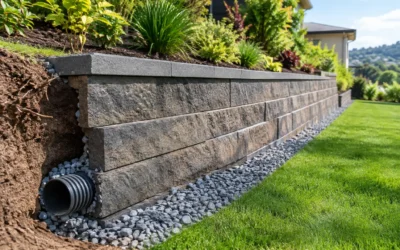
Drainage deserves close attention. Northern Rivers downpours can expose low spots very quickly, leaving turf sitting in water or washing soil away from joins. On sloping sites, surface water should be directed away from the house and managed before turf goes down. This may involve reshaping levels, improving soil structure, installing drainage where needed or combining turf with garden beds, paths and retaining elements that work with the slope.
Good Ground Preparation Makes the Difference
Turf needs an even, free-draining base with enough quality soil for roots to establish. Laying rolls over hard, uneven ground may look neat on day one, but the lawn can develop dips, poor colour and thin areas once it starts growing.
The preparation process usually begins with clearing the site. Old grass, weeds, building debris, rocks and unwanted roots need to be removed. Existing weeds should be dealt with thoroughly rather than covered over, as persistent weeds can return through fresh turf and create more work later.
The ground is then shaped to create smooth, practical falls. It should not be perfectly flat if that means water has nowhere to go. The aim is a level-looking lawn that drains correctly and suits surrounding paths, garden edges and structures.
Soil improvement is particularly important because local conditions vary widely. Coastal properties can have sandy soil that drains fast but does not hold nutrients or moisture well. Some inland and hinterland sites have dense clay soils that can become waterlogged in wet weather and hard in dry periods. Adding suitable organic material and quality turf underlay can improve the growing zone, but the right treatment depends on what is already there.
The finished base needs to be firm enough that it will not sink underfoot, without being so compacted that roots cannot move through it. Light consolidation followed by a final rake creates a smooth surface for the turf. This step is where an experienced landscaper can prevent the frustrating issues that are hard to fix after installation.
Why levels matter around homes
Incorrect levels can cause more than an uneven lawn. Water may collect against paving, run towards the house or create muddy patches near clotheslines, gates and outdoor entertaining areas. If turf is being installed as part of a larger garden makeover, it is best to coordinate the lawn with irrigation, edging, paving, garden beds and retaining walls from the beginning.
Doing this work in the right order avoids cutting into a new lawn later to run pipes or repair drainage. It also creates cleaner edges and a more organised finish.
Choosing Turf for Northern Rivers Conditions
There is no single best turf for every property. The right choice comes down to sun, shade, maintenance expectations, soil, pets, children and how often the lawn will be used.
Soft-leaf buffalo varieties are a popular option for many home lawns because they generally cope well with moderate shade and have a comfortable feel underfoot. They can suit family yards and areas that receive a mix of sun and shade, although they still need enough light to perform well.
Couch is often chosen for open, sunny areas. It establishes well, handles regular use and can create a dense finish with consistent mowing. It does require more sunlight and may need more frequent mowing during strong growing periods.
Other warm-season options may suit larger lifestyle blocks or high-use spaces, depending on the site and the level of maintenance desired. Rather than choosing based on colour alone, consider what you are prepared to do after the lawn is installed. A grass variety that looks excellent in a display yard may not be the right fit for a shaded courtyard or a property where mowing is difficult to keep up with.
For coastal homes, salt-laden winds and hot reflected heat can also affect exposed lawns. In these areas, suitable grass selection, soil conditioning and a sensible watering plan are all part of creating a lawn that lasts.
Laying Turf Properly
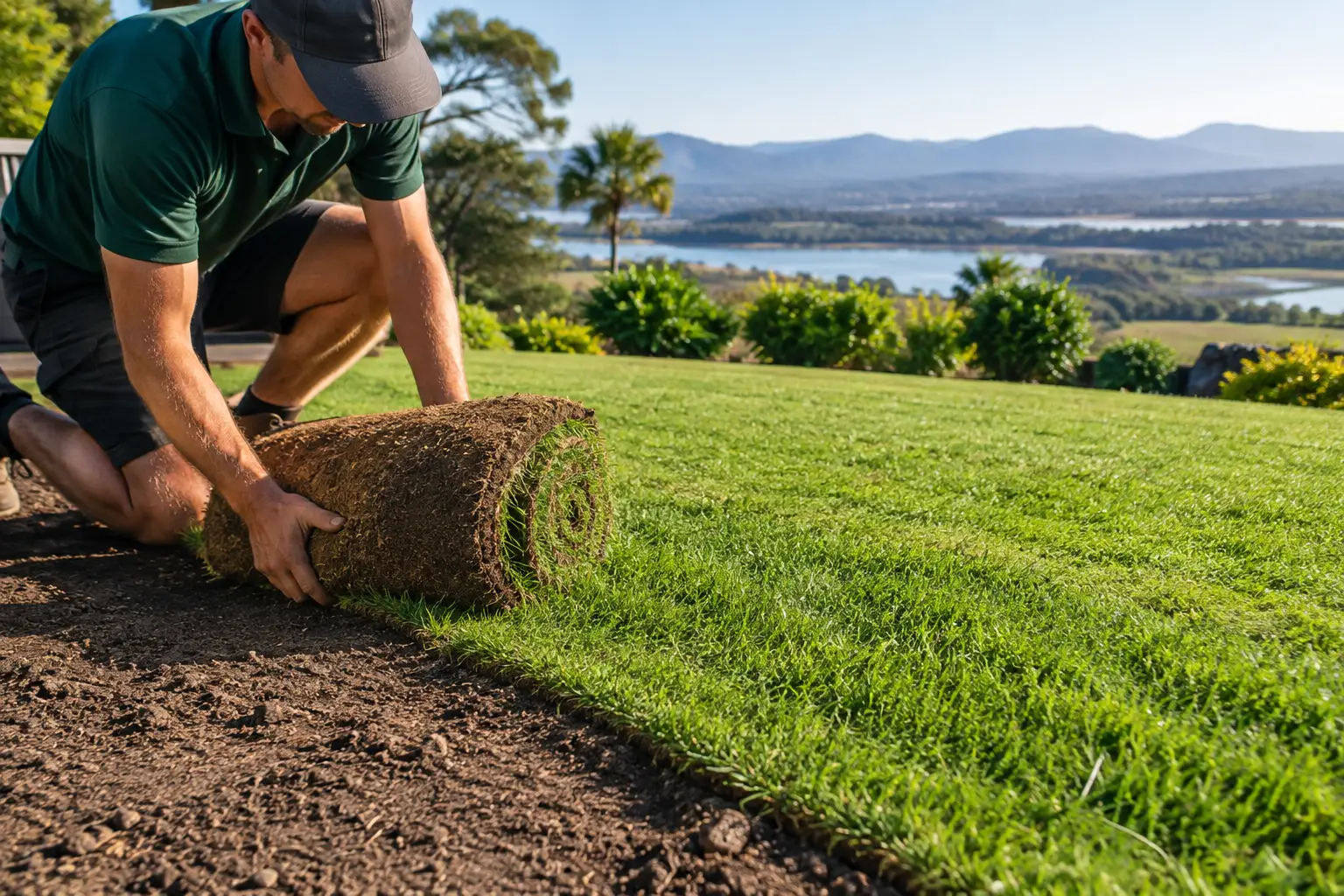
Once the base is ready, turf should be laid promptly so the rolls do not dry out. Fresh turf is a living product, and its condition can decline if it sits rolled up for too long, especially during warm weather.
Turf is laid in a staggered pattern, similar to brickwork, with joins pushed tightly together. This helps avoid long continuous seams and supports an even finish as the lawn establishes. Rolls should be trimmed neatly along edges, around garden beds and beside paths. Small pieces are best avoided in prominent areas because they can dry out faster and shift more easily.
After laying, the lawn should be rolled lightly to improve contact between the turf and soil. Good contact helps roots move into the prepared base rather than drying out in air gaps. The lawn then needs a thorough initial water, ideally soon after installation.
The First Six Weeks Set the Lawn Up
New turf needs regular attention while its roots establish. The exact watering schedule depends on weather, soil and grass type, but the goal is to keep the turf and the soil immediately beneath it consistently moist during the early establishment period.
In hot or windy weather, this may mean more frequent watering. After heavy rain, watering should be adjusted rather than continued automatically. Overwatering can be as unhelpful as underwatering, particularly on slow-draining soil. Check beneath a corner of the turf if needed – the soil should be moist, not saturated and muddy.
Try to keep foot traffic to a minimum for the first couple of weeks. Children, pets and outdoor furniture can create depressions or separate joins before roots take hold. The first mow should wait until the turf is firmly anchored and growing, using a sharp mower blade set high enough to avoid scalping.
Feeding is also worth timing properly. A suitable fertiliser can support establishment, but applying too much or using the wrong product can stress fresh turf. Local conditions and the chosen grass type should guide the approach.
Plan for Ongoing Care Before Installation
A healthy lawn is easier to maintain when the practical details are considered before turf is laid. This includes access for mowing, a suitable water source, irrigation coverage and clean edging around garden beds. If a narrow side yard is difficult to mow or receives very little sun, it may be better suited to planting, gravel or paving than turf.
Irrigation is particularly useful for busy households and holiday properties, but it should be designed for the lawn rather than added as an afterthought. Sprinklers need to provide even coverage without constantly soaking walls, paths or garden beds. For larger yards, zoning can help match water use to different conditions across the property.
Regular mowing, sensible watering, seasonal feeding and weed control will keep most lawns looking their best. If ongoing lawn and garden care is needed, Evolve Gardens & Landscaping can help maintain the finished space after the project work is complete.
A well-prepared lawn gives you more than a green view from the kitchen. It creates a usable area for kids, pets, entertaining and quiet weekends at home. Before ordering turf, take the time to assess the soil, levels and drainage properly – it is the simplest way to make the finished lawn look good well beyond its first season.