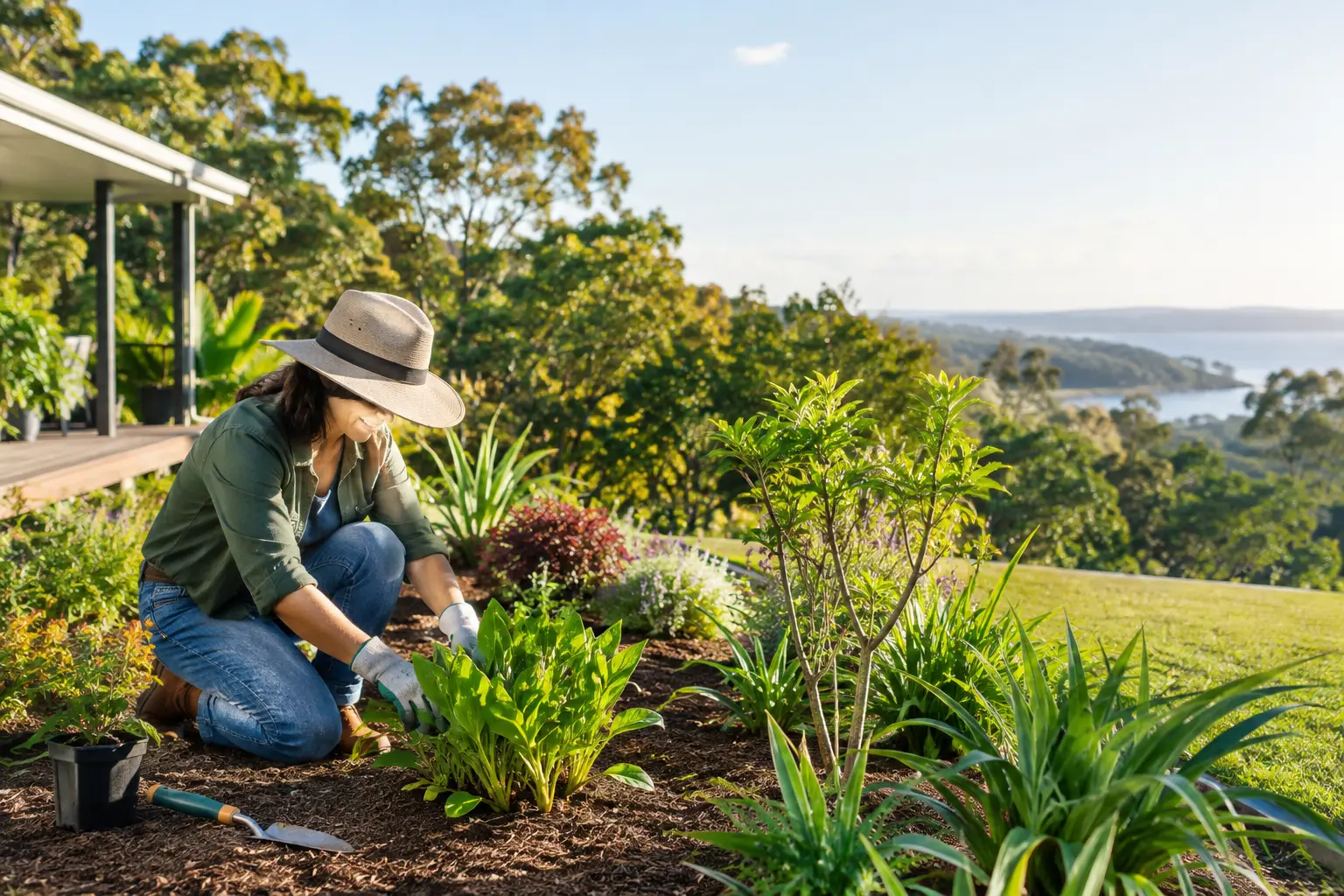
A garden can get away from you surprisingly quickly. One wet season can push growth hard, a hot summer can knock out unsuitable plants, and a busy year can turn a usable yard into an overgrown space you avoid looking at. Garden restoration is about more than cutting everything back. Done properly, it identifies what is worth saving, fixes the causes of ongoing problems and creates an outdoor area that is easier to enjoy and maintain.
For Northern Rivers homes, the right approach needs to account for heavy rain, humid conditions, intense sun, variable soil and the way each property is used. A small courtyard in Ballina needs different decisions from a sloping lifestyle block near Alstonville or a coastal garden in Lennox Head. The goal is not a garden that looks good for one week after a clean-up. It is a practical outdoor space that has every chance of staying that way.
What garden restoration really involves
A restoration starts with an honest assessment of the site. Some gardens need a thorough clean-up, careful pruning and a new planting plan. Others have bigger issues beneath the surface: poor drainage, failing turf, compacted soil, damaged edging, inadequate irrigation or retaining areas that are no longer doing their job.
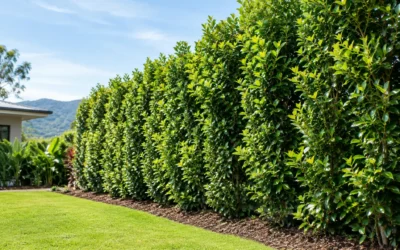
It is tempting to remove every mature plant in a neglected garden. Sometimes that is necessary, particularly where weeds, pests or diseased plants have taken hold. Often, however, established trees, screening plants and healthy shrubs can be retained and reshaped. Keeping the right mature planting can provide instant privacy and shade while avoiding the cost and wait involved in starting again from bare ground.
The best outcome usually comes from separating the garden into clear priorities. First, remove hazards and unwanted growth. Then address access, water movement, soil and structure. Planting, turf and finishing details come after that. This order helps prevent the common frustration of installing fresh plants or lawn, then having to disturb them to solve a drainage or paving issue later.
Start with the conditions, not the plant list
Northern Rivers gardens can be demanding. Summer heat can dry exposed beds quickly, while periods of sustained rain can leave low points soggy and encourage fungal problems. Coastal properties may also deal with salt-laden air and sandy soils, while inland blocks can have heavier clay soils that hold water and become hard when dry.
That is why a garden restoration should begin by looking at sun, shade, slope and water flow. A plant that thrives in a protected, shaded Lismore garden may struggle against reflected heat beside a west-facing wall in Byron Bay. Likewise, a lawn area that looks uneven may not simply need topdressing. It may be showing where stormwater collects or where tree roots and compacted ground are affecting growth.
Plant selection needs to suit the location and the level of maintenance you want to take on. Drought-tolerant plants can reduce watering needs once established, but they still need correct soil preparation, mulch and watering during their early growth. Dense tropical-style planting can look excellent in the right spot, yet it may require more regular pruning, feeding and airflow management than a lower-maintenance native or hardy subtropical scheme.
There is no single best garden style. The right choice depends on whether you want privacy, room for children and pets, a productive garden, a cleaner entry, better views or simply less weekend work.
Water management comes before fresh turf
Water is often the hidden reason a garden keeps failing. If runoff tracks towards the house, garden beds wash away or lawn stays muddy after rain, planting around the issue will not fix it. Drainage improvements, reshaping ground levels, retaining walls, gravel areas or properly planned stormwater solutions may be needed before the visible work begins.
Irrigation also deserves attention during restoration. An old system may have blocked emitters, poor coverage or watering schedules that do not suit the garden. In many cases, targeted irrigation to garden beds is more sensible than overwatering an entire lawn. It supports new planting while helping manage water use through dry spells.
Soil preparation makes the difference
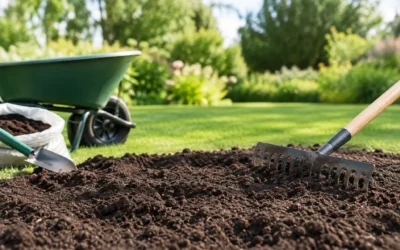
New plants cannot perform well in exhausted, compacted or poorly drained soil. Improving soil may involve removing invasive roots, incorporating suitable organic matter, conditioning the ground or building up beds where necessary. Mulch then helps moderate soil temperature, retain moisture and reduce weed growth.
These steps are not as immediately noticeable as new paving or colourful flowers, but they are where much of the long-term value sits. Good preparation gives plants a stronger start and reduces the need to replace them after the first difficult season.
Build a garden around how you live
A restored garden should make daily life easier. For a family, that could mean a durable lawn, defined play space and clear paths that keep muddy feet out of the house. For retirees, it may mean level access, reduced mowing and raised planting areas that are comfortable to tend. For a holiday property or busy household, it may be a tidy, low-maintenance layout that always presents well without demanding constant attention.
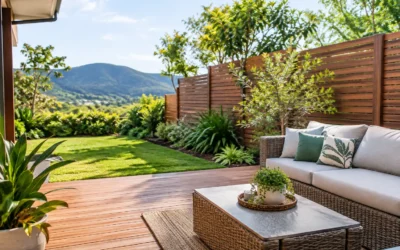
Hard landscaping often plays a major role here. Paths, paving and stepping areas make gardens easier to move through after rain. Retaining walls can turn an awkward slope into usable levels. Timber privacy screens can block a direct neighbouring view without closing in a small yard. Even a simple edge between lawn and garden beds can make ongoing mowing and maintenance far more straightforward.
It pays to think about proportions before work begins. A large entertaining area is useful only if it leaves enough green space for the way your household lives. Dense screening can improve privacy, but planting too close to a fence can make pruning difficult and restrict airflow. A carefully planned layout balances immediate visual appeal with the room plants need as they mature.
A practical order for garden restoration
Restoration projects vary in scale, but the work generally follows a sensible sequence. First comes site inspection and discussion of priorities, budget and the result you would like to achieve. From there, the garden can be cleared, rubbish removed and existing plants assessed.
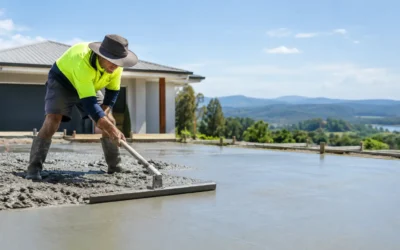
Structural work should follow before new soft landscaping. This might include drainage, irrigation, excavation, retaining, concreting, paving, screens or garden edging. Soil can then be prepared, plants installed and turf laid once the surrounding work is complete. The final stage is mulching, watering, tidying the site and setting out a realistic care plan.
For a small garden, this process may be completed quickly. Larger properties or projects involving several trades need more planning, particularly where weather, site access and material delivery affect timing. Clear communication about what happens first, what may change on site and when each stage is expected to be completed matters just as much as the finished look.
The first few months matter most
A newly restored garden needs establishment care. Turf requires the right watering and mowing approach while roots settle. New plants need consistent moisture, especially through heat, as well as checks for pests, weeds and damage. Mulch may need topping up, and some plants benefit from light formative pruning as they establish.
This is where ongoing maintenance can protect the investment in the original work. Regular mowing, weeding, hedge trimming, pruning and seasonal checks stop small issues becoming another major clean-up. It also gives you the chance to adjust as the garden develops. A plant may need to be moved because a nearby tree creates more shade than expected, or an irrigation zone may need changing as planting fills out.
Evolve Gardens & Landscaping can manage both the restoration work and the regular care that follows, which is useful when you want one local team that understands what has been installed and why. It also means maintenance can be tailored to the season rather than treated as a one-size-fits-all visit.
When a clean-up is enough and when to restore
Not every untidy garden needs a full rebuild. If the layout works, drainage is sound and the existing plants are largely healthy, professional pruning, weed removal, fresh mulch, lawn care and a few replacement plants may create a dramatic improvement.
A broader restoration is more worthwhile when the garden repeatedly floods, the lawn will not establish, paths are unsafe, privacy is inadequate, planting is poorly matched to the conditions or the space simply does not suit your life anymore. Addressing those underlying issues costs more upfront than a cosmetic tidy, but it can save money and frustration over time.
The most useful first step is a walk-through with someone who understands local conditions and can separate the jobs that are urgent from the ones that can be staged. A clear, no-obligation quote gives you a practical starting point, whether you need a focused clean-up now or a complete transformation planned around your budget. A well-restored garden should feel like part of the home again – attractive, functional and manageable in every season.