A lawn that looks great in a showroom can behave very differently after a Northern Rivers summer storm, a humid fortnight, or weeks of strong sun. When weighing up natural turf versus synthetic grass, the right choice comes down to how you use the space, the site conditions and how much ongoing care you want to take on.
For some homes, a healthy natural lawn is hard to beat. For others, synthetic grass provides a tidy, low-mowing surface in areas where grass simply will not grow well. Neither option is automatically better. The best result is the one that suits your yard, budget and lifestyle for the long term.
Natural turf versus synthetic grass: the key differences
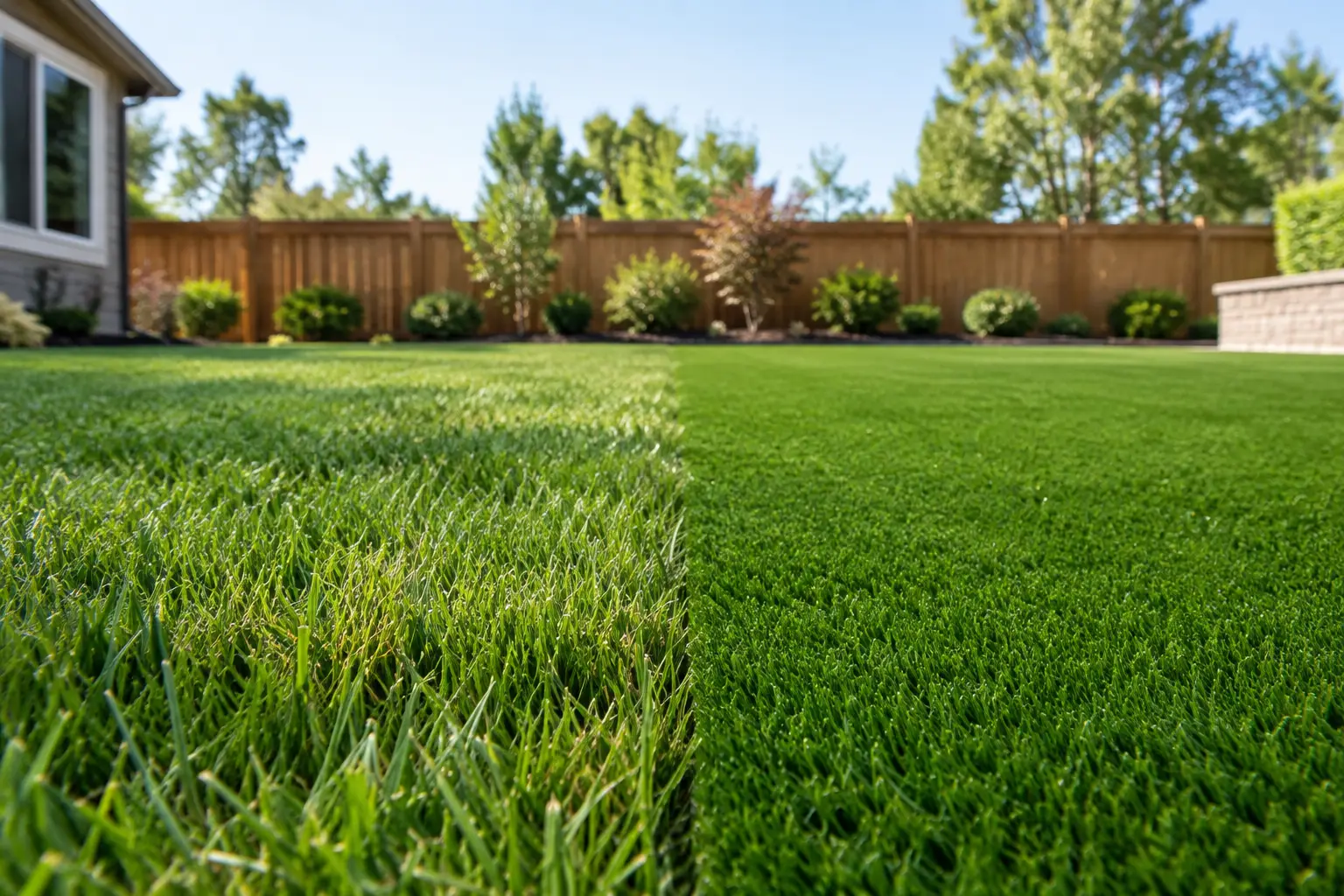
Natural turf is living grass installed as rolls, slabs or seed, depending on the variety and site. It needs soil preparation, watering while establishing, mowing, feeding and occasional weed or pest control. In return, it cools the area around it, feels soft underfoot and changes naturally with the seasons.
Synthetic grass is a manufactured surface installed over a prepared base. It does not need mowing, watering or fertilising, but it is not maintenance-free. It still requires periodic sweeping, rinsing, weed control around edges and attention to drainage. A quality installation also relies heavily on what sits underneath it.
The difference is often most noticeable after installation. Natural turf needs consistent early care to establish strong roots. Synthetic grass looks finished straight away, but poor base preparation, inadequate drainage or low-quality materials can lead to rippling, odours, heat build-up and uneven areas over time.
How the Northern Rivers climate affects your choice
Our local climate presents a mix of challenges: strong sun, warm humidity, heavy rainfall and periods of dry weather. Soil conditions can vary significantly from one property to the next, particularly across sloping blocks, coastal homes and larger lifestyle properties.
Natural turf can perform very well here when the variety matches the conditions. A lawn in full sun has different needs from one beneath established trees or beside a high fence. Some turf varieties tolerate wear from children and pets better, while others cope more successfully with partial shade or dry conditions. The important work happens before the turf goes down, with soil improvement, levelling, drainage and irrigation considered properly.
Synthetic grass handles wet weather only as well as its drainage system allows. If water cannot move through the turf backing and prepared base, it may pool on the surface or create damp, unpleasant areas underneath. On shaded, humid sites, leaf litter and organic debris can also encourage surface growth if the area is not cleaned regularly.
Heat is another practical consideration. Synthetic grass can become very hot in direct sun, particularly in exposed yards around Ballina, Lennox Head and Byron Bay. It may be uncomfortable for bare feet and pets during the middle of the day. Natural turf also dries out in hot weather, but it does not usually retain heat in the same way and can help make a yard feel cooler.
Cost is more than the installation quote
Synthetic grass generally costs more upfront than laying natural turf. The price reflects excavation, drainage, compacted base material, edging, joining, infill and the quality of the product itself. It can be a sensible investment in a small, difficult area, but choosing the cheapest option often creates problems later.
Natural turf usually has a lower initial installation cost, especially where the existing ground is reasonably level and accessible. However, it has ongoing costs for mowing, water, fertiliser, equipment and occasional repairs. If you use a regular lawn mowing and garden maintenance service, factor that into the long-term picture as well.
A useful question is not simply, “Which one costs less?” Ask how long you expect to stay in the property, how much lawn you have and what condition the site is in now. A small courtyard may suit synthetic grass for practical reasons. A large family backyard is often more economical and comfortable with natural turf, provided it is established properly.
Think about how your household uses the lawn
Families with children often like natural turf because it is cooler, softer and forgiving when kids are running, kicking a ball or playing outside. A well-chosen lawn can recover from normal use, although high-traffic paths may still become worn and compacted. In those areas, paving, stepping stones or a defined pathway can protect the lawn and keep the yard functional.
Pets are another factor. Natural turf gives dogs a natural surface to dig, run and lie on, but urine patches, muddy paws and worn spots can require regular attention. Synthetic grass avoids mud, yet pet urine must be rinsed through properly. Without good drainage and cleaning, odours can become difficult to manage, especially in warm weather.
For holiday homes, rentals or properties where regular mowing is difficult to organise, synthetic grass may offer a neat appearance with less routine work. It can also work well for narrow side yards, balcony-adjacent spaces and decorative areas where natural grass receives too little light.
For homeowners who enjoy gardening and want a yard that supports trees, planting beds and outdoor living, natural turf often feels more connected to the rest of the landscape. It can sit comfortably alongside native planting, garden edging, retaining walls and irrigation systems, rather than acting as a separate manufactured surface.
Maintenance: less is not the same as none
Natural turf needs regular mowing during the growing season. It benefits from correct mowing height, deep watering when needed and feeding at suitable times of year. The exact routine depends on the turf variety, weather and soil, but consistent care usually prevents larger problems.
Synthetic grass needs leaves, sticks and dirt removed before they build up. A blower or stiff brush helps lift the fibres and keep the surface looking even. It may need rinsing after pets use it, and weeds can still appear along joins, edges or through nearby garden beds. Over time, sections may need repair or replacement, particularly in high-use spots.
Natural lawn maintenance is more visible because it happens frequently. Synthetic grass maintenance is easier to overlook until the surface starts looking flat, dirty or poorly drained. Both choices need a realistic care plan.
Drainage should be decided before the surface
Drainage is one of the most important parts of any lawn project, especially on properties with heavy rain, compacted soil or sloping ground. Turf laid over an uneven or poorly prepared base can struggle, while synthetic grass installed without proper falls and drainage can become a much more expensive issue.
Before choosing a surface, look at where water currently runs after a downpour. Does it collect near the house, along a fence line or at the bottom of a slope? Are there downpipes discharging into the lawn? Does the area stay boggy, or does it dry out too quickly? These details should shape the design.
Sometimes the best answer is not to cover the whole yard in one material. A practical landscape may combine natural turf for the main play area, paving for outdoor dining, garden beds for privacy and synthetic grass only in a difficult low-light corner. This approach often delivers a better-looking, more usable result than forcing one solution across the entire block.
When natural turf is usually the better fit
Natural turf is often a strong choice for larger yards, active family spaces and gardens with reasonable sun and drainage. It is also well suited to homeowners who value a cooler surface, a natural finish and the ability to repair or refresh areas as the garden evolves.
The key is selecting an appropriate turf variety and preparing the soil properly. Turf will not solve compaction, shade, drainage or irrigation problems on its own. Address those first, and the lawn has a far better chance of staying healthy through changing weather.
When synthetic grass can make sense
Synthetic grass can be effective in compact spaces where mowing is impractical, in low-light areas where real turf continually fails, or where a consistently tidy decorative surface is the priority. It can also suit a well-drained courtyard or a side access area that gets used heavily but is not intended for barefoot play on hot days.
It is less appealing where the area receives full afternoon sun, where pets regularly use the space, or where drainage has not been resolved. In these situations, the convenience promised at the start can be outweighed by heat, cleaning and repair requirements.
A well-planned lawn should make daily life easier, not create another problem to manage. Whether you choose living turf, synthetic grass or a combination of surfaces, start with the conditions of your property and the way you genuinely want to use the space. A local site assessment and clear plan can turn that decision into an outdoor area you will enjoy using year after year.