A flowering shrub can look like it needs a serious cut-back just when it is setting next season’s buds. That is why learning when to prune flowering shrubs matters as much as knowing how. In Northern Rivers gardens, where warmth, summer rain and fast growth can quickly turn a tidy border into a crowded one, the right timing keeps plants healthy, shapely and full of flowers.
Pruning is not about making every shrub small. It is about removing tired growth, improving light and airflow, and guiding the plant into a size that suits your garden. Done well, it also keeps paths clear, stops plants pressing against fences and windows, and makes routine garden maintenance far easier.
When to Prune Flowering Shrubs
The simplest rule is to work out whether your shrub flowers on old wood or new growth.
Shrubs that flower in late winter or spring usually form their buds during the previous growing season. These include many azaleas, camellias, gardenias, lilacs and spring-flowering natives. Prune these soon after flowering finishes. Waiting until late winter may remove the buds that would have become next year’s display.
Shrubs that flower in summer or autumn often bloom on fresh growth produced in spring. Hibiscus, many salvias, hydrangea paniculata and some bottlebrush varieties generally respond well to pruning in late winter or early spring. A tidy at this time encourages a flush of new stems, which are more likely to carry flowers later in the season.
There are exceptions, and plant labels do not always tell the full story. Hydrangeas are a good example. Common mophead hydrangeas often flower on older stems, so heavy winter pruning can mean fewer flowers. They are best lightly shaped after flowering, with the oldest stems removed at the base. Panicle hydrangeas flower on new wood and can be pruned harder in late winter.
If you are unsure what you have, avoid a major cut until it has flowered. Take out dead, damaged and crossing branches first, then watch where the new buds and flowers form over the season. That observation will tell you more than a one-size-fits-all pruning calendar.
Northern Rivers Conditions Change the Timing
Calendars are useful, but local weather should have the final say. Coastal Ballina, Lennox Head and Byron Bay gardens can keep growing through much of the year, while colder pockets around Alstonville, Lismore and hinterland properties may experience a sharper winter slowdown and occasional frost.
Avoid hard pruning just before a hot, dry spell. Freshly cut plants need moisture to recover, and stressed shrubs can struggle when heat arrives straight after a heavy trim. If rain has been scarce, water the root zone deeply a day or two beforehand and keep an eye on moisture after pruning.
During humid, wet periods, do not leave dense clumps of cut material sitting around the base of plants. Good airflow is particularly valuable in the Northern Rivers, where fungal issues can move quickly through crowded gardens. Clean up fallen leaves, spent flowers and prunings, especially where black spot, scale, mildew or leaf damage has been present.
Start With the Right Cuts
A shrub does not need to be clipped into a ball to look maintained. In fact, repeated shearing can create a thin green shell with bare, woody growth underneath. It may look neat for a short time, but flowers become concentrated on the outside and the plant gradually loses its natural form.
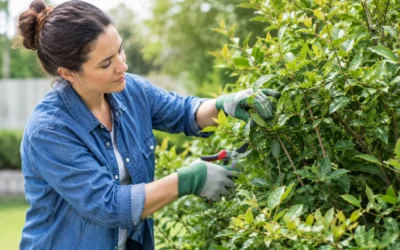
For most flowering shrubs, begin by removing dead, diseased and damaged branches. Next, cut out stems that cross or rub against one another. Then remove a small number of the oldest stems from the base to open the centre of the plant. This is called thinning, and it lets more light reach healthy shoots without stripping the shrub of its character.
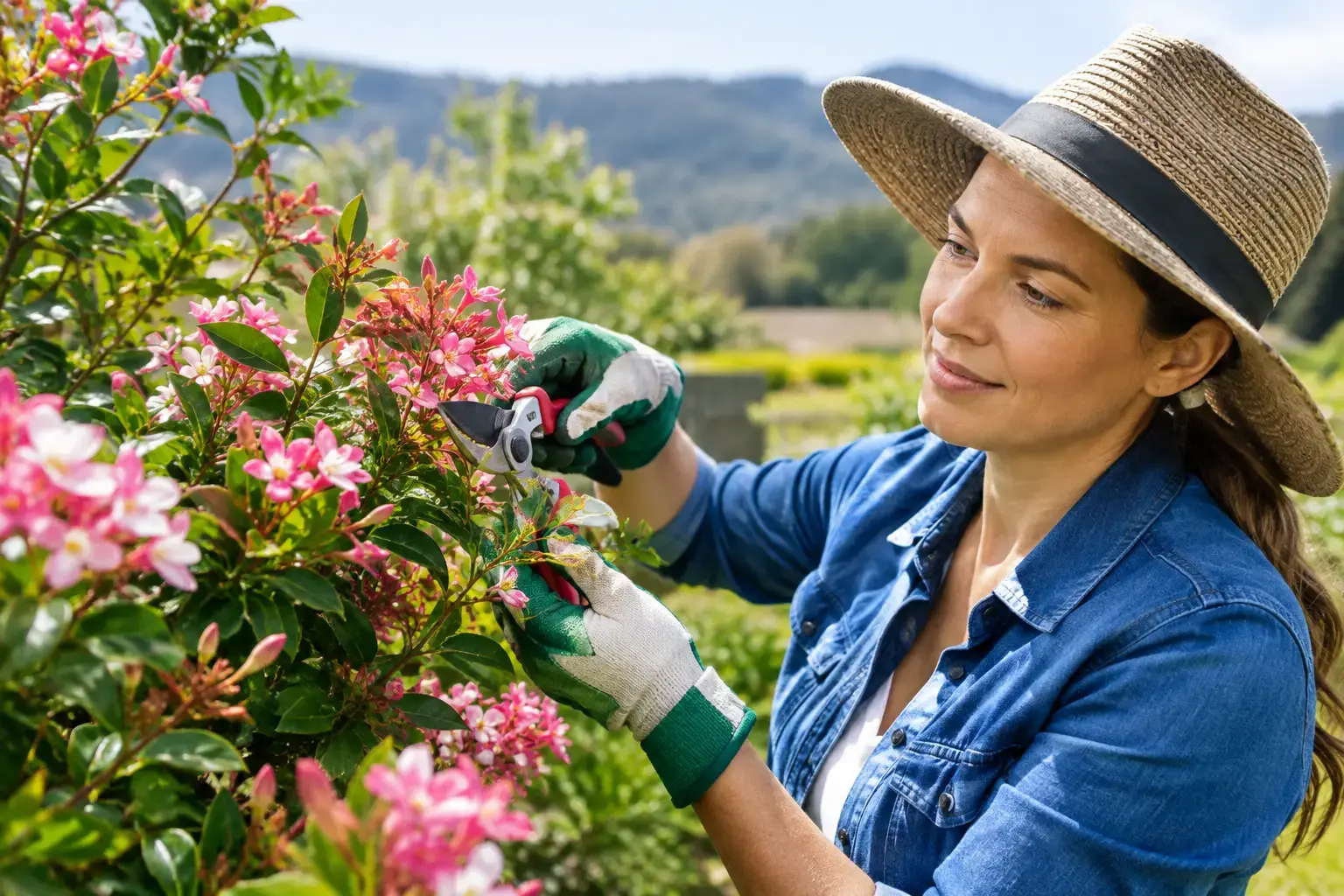
When shortening a branch, make the cut just above an outward-facing bud or side shoot. That encourages new growth to move away from the middle rather than back into it. Use sharp, clean secateurs for smaller stems and loppers for thicker branches. A clean cut heals better than a crushed one.
For a neglected shrub, resist the urge to remove everything at once. Reducing the plant by around one-third is often a safer starting point, unless you know the species tolerates hard rejuvenation pruning. Spread a bigger restoration over two or three seasons. You will protect the plant, keep some privacy and avoid being left with a bare garden while it recovers.
Common Shrubs and Their Best Pruning Window
The following timing suits many established Northern Rivers gardens, although exposure, variety and plant health can shift the ideal window slightly.
- Azaleas and camellias: Prune and deadhead soon after flowering. Light shaping is usually enough, as hard late-season pruning can remove next year’s buds.
- Gardenias: Trim after the main flowering flush. Remove spent flowers and wayward branches, but avoid cutting back heavily during periods of heat or water stress.
- Hibiscus: Prune in late winter to early spring, once the risk of cold snaps has eased. This encourages fresh, flower-bearing growth for the warmer months.
- Bottlebrush and grevilleas: Lightly prune after flowering to maintain shape and encourage branching. Avoid cutting into old bare wood unless you know that particular variety will reshoot reliably.
- Lavender and salvias: Trim after flowering, keeping some green growth on each stem. Cutting back into leafless old wood can leave patchy plants that are slow to recover.
Native shrubs deserve the same careful approach as exotics. Some cope well with regular light pruning, while others resent being cut into old timber. If a native has become too large for its position, replacement with a better-sized variety can sometimes be the more practical long-term choice.
Pruning for Privacy, Paths and Better Garden Structure
Flowering shrubs often do more than provide colour. They may soften a boundary fence, screen a neighbour, frame an entry or separate lawn from a seating area. Pruning should support that job rather than work against it.
For a flowering screen, keep the base slightly wider than the top so lower branches receive light. This reduces the bare-bottom look that develops when the upper canopy shades everything below. Rather than taking the entire hedge down to the same height in one go, selectively reduce the tallest shoots and thin crowded sections. You will retain privacy while giving the screen a more natural, flowering finish.
Where shrubs lean over a footpath, driveway or outdoor area, remove the offending branch back to a side shoot inside the plant. This is cleaner and longer-lasting than chopping the end off at the edge of the path. It also prevents constant regrowth in exactly the same place.
Aftercare Makes a Noticeable Difference
Once pruning is finished, water deeply if conditions are dry and apply a layer of mulch around the root zone. Keep mulch clear of stems and trunks to prevent moisture sitting against the bark. A suitable slow-release fertiliser can help plants recover during their active growth period, but do not overfeed. Too much nitrogen can create lots of soft leafy growth at the expense of flowers.
Take the opportunity to check irrigation coverage as well. A shrub that looks tired or sparse is not always overdue for pruning. It may be receiving too little water, suffering from poor drainage, competing with tree roots or sitting in a position with more afternoon heat than it can handle.
A well-timed prune can bring an overgrown garden back into balance without losing the colour and privacy you value. For larger shrubs, mature hedges or a garden that needs a practical reset, Evolve Gardens & Landscaping can assess what should be shaped, reduced, removed or left to flower. The best result is a garden that looks cared for now and still has room to grow well next season.