
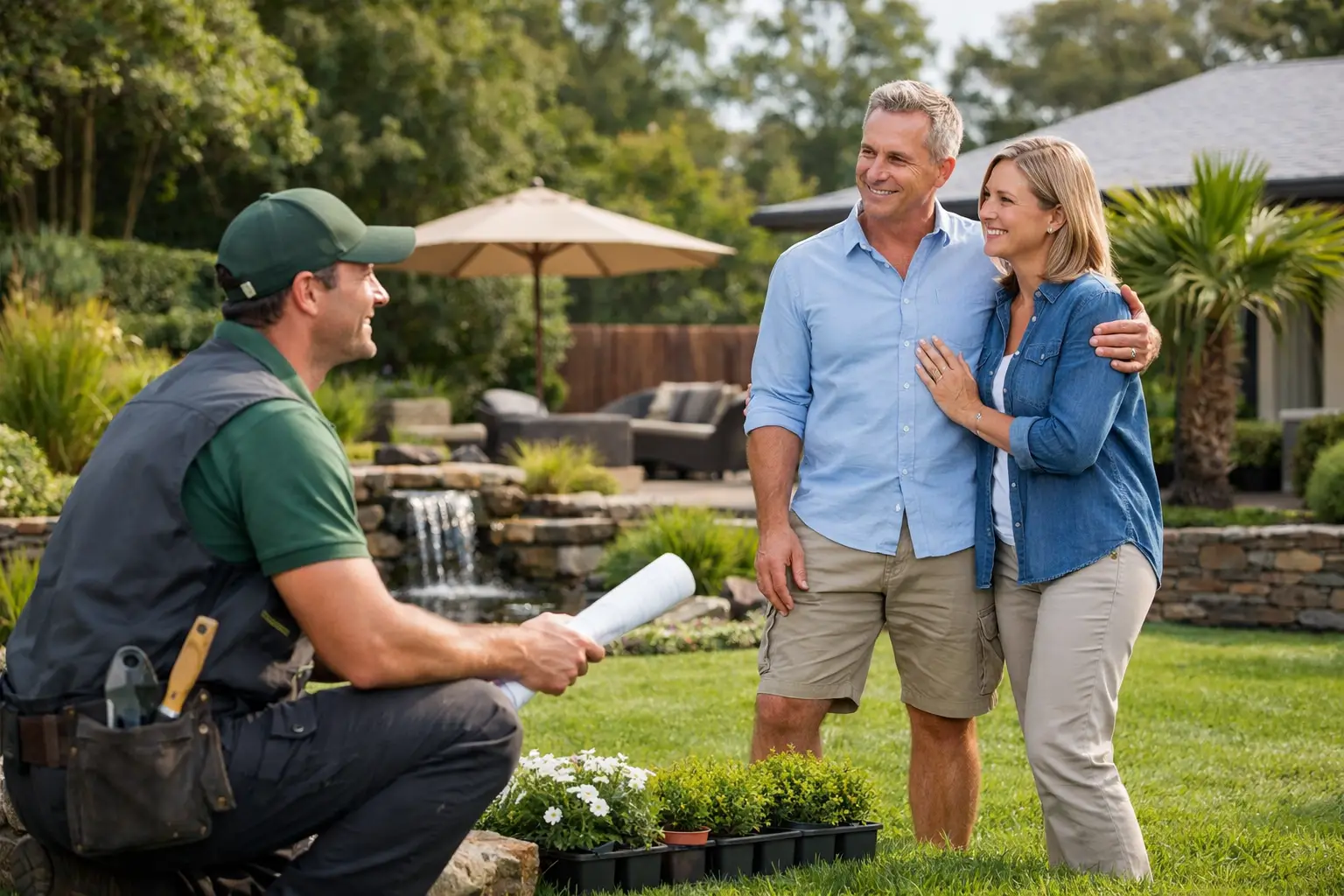
A good outdoor space has to cope with more than a few weekends of entertaining. In Ballina, it needs to handle intense summer sun, heavy rain, coastal conditions and the everyday wear of family life. Choosing a landscaper Ballina homeowners can depend on means finding someone who understands those conditions and can turn your ideas into work that lasts.
Whether the job is a garden clean-up, new turf, a retaining wall or a complete backyard makeover, the right approach begins with the site itself. A beautiful garden is the goal, but practical drainage, suitable materials, access and ongoing maintenance are what keep it looking that way.
Start with how you want to use the space
Before choosing plants, pavers or screen styles, think about what is not working in your yard now. Some households need a safer, more usable lawn for children and pets. Others want privacy from neighbouring properties, a low-maintenance front garden, or an outdoor area that feels more inviting when friends come over.
There is no single landscape plan that suits every Ballina property. A compact block may benefit from built-in garden edges, vertical planting and carefully placed screening. A larger lifestyle property may need practical pathways, defined zones and planting that can be managed without becoming a full-time job.
Be clear about your priorities from the start. If privacy matters most, timber screens and layered planting may be more valuable than an oversized garden bed. If your lawn struggles through dry periods, turf selection and irrigation should be part of the conversation rather than an afterthought. A professional landscaper should listen first, then explain the options, costs and likely trade-offs in plain language.
Why local conditions shape better landscaping
Northern Rivers gardens can be generous when they are planted and maintained well, but the climate can expose weak planning quickly. Hot western aspects, sandy coastal soils, periods of high rainfall and dry spells all affect which plants, surfaces and construction methods make sense.
A garden that looks impressive straight after installation may become difficult to manage if plants are unsuitable for the amount of sun it receives. Likewise, a paved area without proper preparation or drainage can create water issues during heavy rain. Good landscaping is not about adding the most features. It is about selecting the right features for the site.
Planting for heat, rainfall and maintenance
Plant choices should suit the property’s soil, sun exposure and the time you want to spend maintaining them. Drought-tolerant plants can reduce water demand and cope better with exposed areas, while shade-loving varieties need protection from harsh afternoon heat.
Native and climate-suited plants are often a sensible choice, but they are not automatically maintenance-free. New planting still needs watering while it establishes, pruning at the right time and enough room to grow. Dense planting can create a lush result, although it may also need more regular trimming to keep paths, windows and entertaining areas clear.
Mulch, healthy soil preparation and irrigation all make a meaningful difference. They help retain moisture, reduce weeds and support plant health through changing conditions. The best solution depends on the garden, not a one-size-fits-all planting list.
Drainage and levels are not optional details
Sloping blocks, low points and poor runoff can limit how a yard is used. Retaining walls, garden edging, paving and turf installation all need to work with the natural fall of the land. If water is directed towards a house, pools beside a path or washes soil from garden beds, the problem usually becomes more expensive over time.
This is where experienced planning matters. A landscaper should assess access, existing levels, drainage paths and the condition of surrounding structures before work begins. Sometimes the right answer is a larger construction project. In other cases, a simple change to garden levels, drainage or surface material is enough to improve the area.
What a capable landscaper in Ballina should manage
Many outdoor projects involve several moving parts. You may need old vegetation removed, a lawn prepared, a retaining wall built, irrigation installed and new garden beds planted. Coordinating separate trades for every stage can be stressful, particularly when timing between jobs matters.
A full-service provider can simplify the process by managing the work in a logical order. That does not mean every project needs to be large. A reliable team should be just as willing to tackle hedge trimming, a seasonal garden tidy-up or a lawn restoration as they are to plan a major transformation.
For larger jobs, ask how the work will be organised. Useful questions include whether the site will be kept tidy, how materials will be handled, what timeframes are realistic, and whether specialised subcontractors are used where needed. Clear answers are a strong sign that the job has been properly considered.
At Evolve Gardens & Landscaping, more than 20 years of hands-on Northern Rivers experience informs both major landscape builds and regular property maintenance. That local knowledge helps clients make practical decisions about planting, construction and care from the outset.
A clear process protects your budget and your property
The cheapest quote is not always the best value, particularly when it leaves out preparation, disposal, drainage or finishing work. A detailed quote should make it easier to understand what is included and identify where choices in materials or scope could affect the final cost.
It is reasonable to ask for options. For example, natural stone may create a particular look but cost more than selected concrete pavers. A fully automated irrigation system may be worthwhile for a large or regularly vacant property, while a simpler watering setup could be enough for a small garden close to the house. The best option depends on how you live and what you are prepared to maintain.
Good communication matters just as much once work starts. Weather, material availability and unexpected site conditions can affect a project. A professional team will keep you informed, explain any necessary changes and work towards realistic timeframes rather than making promises they cannot keep.
Plan for the garden after the build
A new landscape should not become another demanding weekend job. Build maintenance into the plan while the design is being discussed. Consider where green waste will go, how easily lawns can be mowed, whether hedges will be reachable and how garden beds will be watered.
Ongoing garden and lawn care is especially useful after a new installation. Plants establish better with consistent attention, lawns respond well to the right mowing and feeding schedule, and small issues can be addressed before they become costly repairs. For busy households, retirees and owners of holiday or investment properties, regular maintenance also provides peace of mind that the property will remain presentable between visits.
Questions worth asking before you book
A free, no-obligation quote is an opportunity to test whether the provider understands your goals. Describe how you want to use the space, point out any trouble spots and be upfront about your budget range if you have one. A good landscaper will offer practical suggestions without pushing unnecessary work.
Ask about experience with projects similar to yours, local plant recommendations, expected timing and the ongoing care the finished garden will require. If retaining walls, concreting, paving or irrigation are involved, ask how those elements will be coordinated. You should also feel comfortable asking how the team protects existing lawns, driveways and surrounding garden areas during the job.
The right improvement is one you will keep using
The most successful landscapes are not necessarily the biggest or most elaborate. They are the ones that solve a real problem: a muddy side access becomes a useful path, an exposed patio gains privacy, a neglected yard becomes manageable, or an unused patch of lawn becomes a place for family to spend time.
Start with the way you want your property to feel and function, then choose a local team prepared to plan carefully and work cleanly. With the right groundwork, your outdoor space can look better now and remain easier to enjoy through every Northern Rivers season.