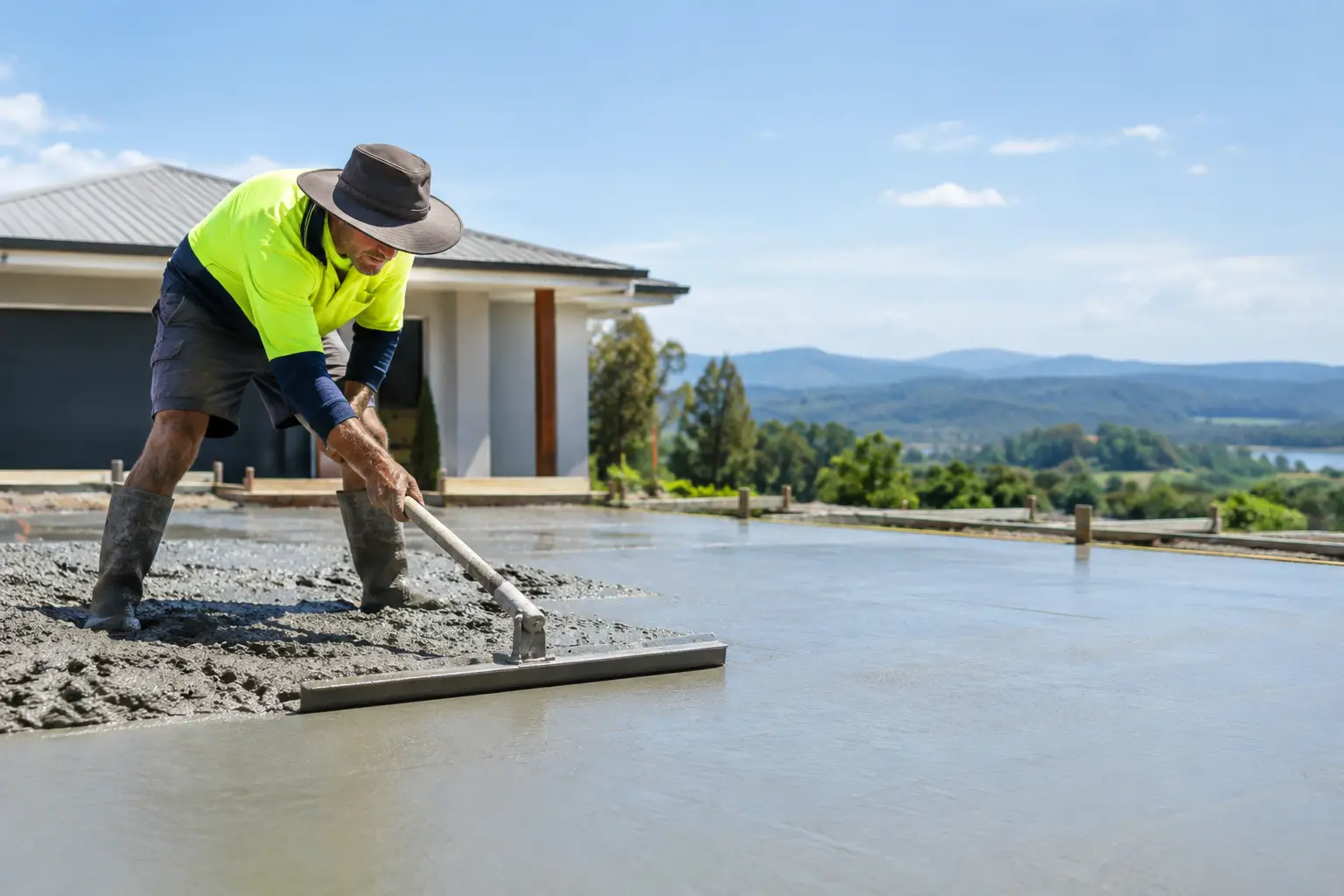
A concrete path, patio or driveway should make daily life easier, not create a costly problem after the first heavy downpour. Concreting costs vary considerably from one Northern Rivers property to the next because the finished slab is only one part of the work. Ground conditions, access, drainage, excavation and the intended use of the area all shape the final quote.
For homeowners in Ballina, Lennox Head, Byron Bay, Lismore, Alstonville and surrounding areas, the best starting point is to look beyond a price per square metre. A properly planned concrete area needs to suit the site, handle local weather and connect neatly with the rest of your garden or landscaping.
What affects concreting costs?
The size of the slab matters, but it is rarely the biggest question on its own. A small, straightforward path beside an accessible driveway may require far less preparation than a larger courtyard at the back of a sloping block. The amount of labour, machinery, materials and finishing work needed is what determines the cost.
Site access and preparation
Before concrete is poured, the ground needs to be assessed and prepared. Old paving, turf, roots, loose soil or existing concrete may need to be removed. The area may then require excavation, levelling, compacted road base and formwork to create a stable base.
Access can make a real difference. If a concrete truck and equipment can get close to the work area, the job is generally more efficient. A narrow side access, stairs, a steep block or a backyard with limited entry may require concrete to be moved further by wheelbarrow or pump. This adds time and labour, but it is often necessary to achieve a quality result without damaging established gardens, fences or lawns.
Northern Rivers properties can also present varying soil conditions. Sandy coastal ground, reactive clay, compacted fill and damp low-lying areas all need different approaches. Skipping proper base preparation might reduce the upfront price, but it can lead to cracking, movement or poor drainage later.
Slab size, thickness and intended use
Not every slab is built to the same specification. A footpath or garden edging strip does not need the same thickness or reinforcement as a vehicle crossover, driveway or shed slab. The expected load determines the required depth, steel reinforcement and base preparation.
A patio designed for outdoor dining may need a practical fall away from the house, room for furniture and a clean edge where it meets lawn or garden beds. A driveway needs to cope with vehicle weight, turning movements and regular use. If you are planning for a caravan, boat, trailer or larger vehicle, raise this early in the consultation so the slab can be designed accordingly.
Trying to compare these projects on square metres alone can be misleading. Two slabs of the same size may have very different construction requirements.
Drainage and falls
Water management is especially important in our region. Concrete needs a planned fall so surface water drains away from buildings and does not pool near doors, garages or garden structures. In some yards, this may also involve drainage channels, pits or connecting the new surface with existing stormwater arrangements.
The right drainage solution depends on the property. A gently sloping lawn may only need careful grading, while a flat courtyard or low-lying area may need additional drainage work. It is always more practical to address this before pouring than to try to fix puddling once the concrete has cured.
Finish, shape and detailing
Plain broom-finished concrete is a practical option for paths, utility areas and many patios. It offers grip underfoot and a clean, understated look. Exposed aggregate, coloured concrete, decorative saw cuts, curved edges and stepped levels can create a more customised result, though they require additional materials, labour or specialised finishing.
A finish should suit how the space will be used. Around pools and outdoor entertaining areas, slip resistance and heat underfoot deserve careful thought. For a driveway, durability and easy cleaning may be the priority. In a garden setting, the concrete can be designed to work with paving, timber screens, turf and planting rather than looking separate from the rest of the yard.
Why low concreting costs can be misleading
A cheap quote can be tempting, particularly when the area looks simple. However, it is worth checking what is included before comparing one figure with another. One quote may cover excavation, disposal, compacted base, reinforcement, formwork, concrete supply, finishing and clean-up. Another may only allow for the pour itself.
Ask whether the price includes removal of spoil and old materials, any required drainage, edge treatments, control joints and site restoration. It is also sensible to confirm the slab thickness, reinforcement details and finish. Clear scope avoids the frustration of unexpected variations once work has begun.
There are times when a lower-cost approach is suitable. A simple garden path with good access and stable ground does not require the same budget as a new driveway over uneven fill. The goal is not to spend more than needed. It is to make sure the construction matches the job.
Planning a concrete area that works with your garden
Concrete often performs best as one part of a wider outdoor plan. A new patio may need a path to the clothesline, turf around the edges, privacy screening, garden beds or drainage improvements. Considering these elements together can prevent rework, such as cutting into a new slab later to install irrigation or running garden edging that does not line up with the concrete.
It also helps to think about how you use the space throughout the year. A west-facing entertaining area may benefit from a pergola, shade planting or a screen to make it more comfortable in summer. A path used after rain needs a finish with reliable grip and drainage that keeps water moving. Small decisions at the planning stage can make the finished area far more useful.
If your property has established trees, ask how their roots will be managed. If you are updating a sloping yard, consider whether retaining, steps or terracing should be completed before concreting. Coordinating the order of work keeps the project organised and reduces the chance of damage to completed areas.
How to get an accurate concreting quote
The most useful quote begins with a site visit and a clear conversation about the outcome you want. Photos and rough measurements are helpful, but they do not always show access restrictions, changes in level, drainage issues or soil conditions.
Before requesting a quote, have an idea of the area you want concreted and how it will be used. Let the contractor know whether vehicles will use it, whether there are plans for a shed or pergola, and whether you are considering a plain or decorative finish. If you have a budget range, sharing it can help identify practical options without compromising essential preparation.
A professional quote should set out the agreed scope in plain language. You should understand what will be removed, how the base will be prepared, what concrete finish is included and how the site will be left at the end of the job. For larger landscape projects, it can also help to stage the work so excavation, retaining, drainage, concreting and planting happen in a sensible order.
When is the best time to schedule concreting?
Concrete work can be completed through much of the year, but weather affects scheduling and curing. Heavy rain can delay preparation and pouring, while hot conditions may require careful timing and curing practices. A reliable contractor will monitor the forecast, organise materials and advise if a short delay is the best way to protect the result.
After pouring, concrete needs time to cure before it reaches its intended strength. The exact timeframe for walking, placing furniture or driving on it depends on the project and conditions. Your contractor should explain this clearly so the new surface is not put under load too soon.
For a concrete area that looks right, drains properly and stands up to everyday use, the detail beneath the surface matters as much as the finish you see. Evolve Gardens & Landscaping can assess your site, talk through practical options and provide a free, no-obligation quote based on the work your property actually needs.