A backyard that stays soggy long after rain is more than an inconvenience. Waterlogged lawns turn muddy, garden beds struggle, paths become slippery and pooled water can eventually affect paving, retaining walls and even your home’s foundations. Knowing how to improve backyard drainage starts with finding out where the water is coming from and where it can safely go.
Across the Northern Rivers, drainage needs to handle more than an occasional shower. Intense summer rain, humid conditions, coastal sand in some areas and heavy clay soils in others can all create very different problems from one property to the next. The right fix should suit the slope, soil, existing landscaping and the way you use your outdoor space.
Start by finding the source of the water
It is tempting to install a drain where the puddle appears, but the lowest wet patch is not always the real cause. Water may be flowing down a neighbouring slope, spilling from a downpipe, running off a hard surface or sitting on compacted ground that cannot absorb it.
Watch the yard during steady rain if it is safe to do so, then inspect it again the following day. Look for water flowing along fence lines, pooling beside patios, washing soil from garden beds or collecting at the base of retaining walls. Also check whether downpipes discharge too close to the house or straight onto a lawn that is already struggling.
A simple test can help identify compacted soil. Dig a small hole in the problem area, fill it with water and see how quickly it drains once the surrounding soil is wet. Slow drainage may point to clay, compaction or a high water table, rather than a problem that can be solved by adding more topsoil.
How to improve backyard drainage with grading
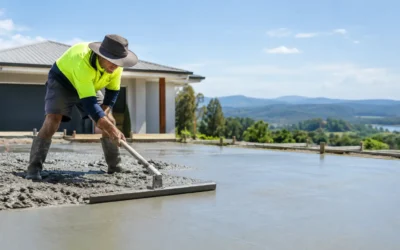
For many yards, the most effective solution is careful regrading. This means reshaping the ground so water moves gradually away from buildings and towards a suitable collection point, garden area or legal stormwater outlet.
The change does not have to be dramatic. Even a gentle fall can make a major difference, provided it is consistent and does not direct water towards a neighbour’s property. On a sloping Northern Rivers block, this may involve creating shallow swales that guide runoff across the landscape rather than allowing it to rush downhill and strip away soil.
Grading works best when it is considered alongside lawns, paths, garden edging and existing trees. Raising one section without addressing the surrounding levels can simply shift the water problem elsewhere. It is also worth checking thresholds at doors, weep holes and paved areas before bringing in soil. Finished ground levels must remain safely below the house structure.
Match the drainage solution to the problem
Different drainage systems suit different conditions. A lawn that becomes boggy after heavy rain needs a different approach from a patio that receives runoff from a roof.
Surface drains for hard surfaces
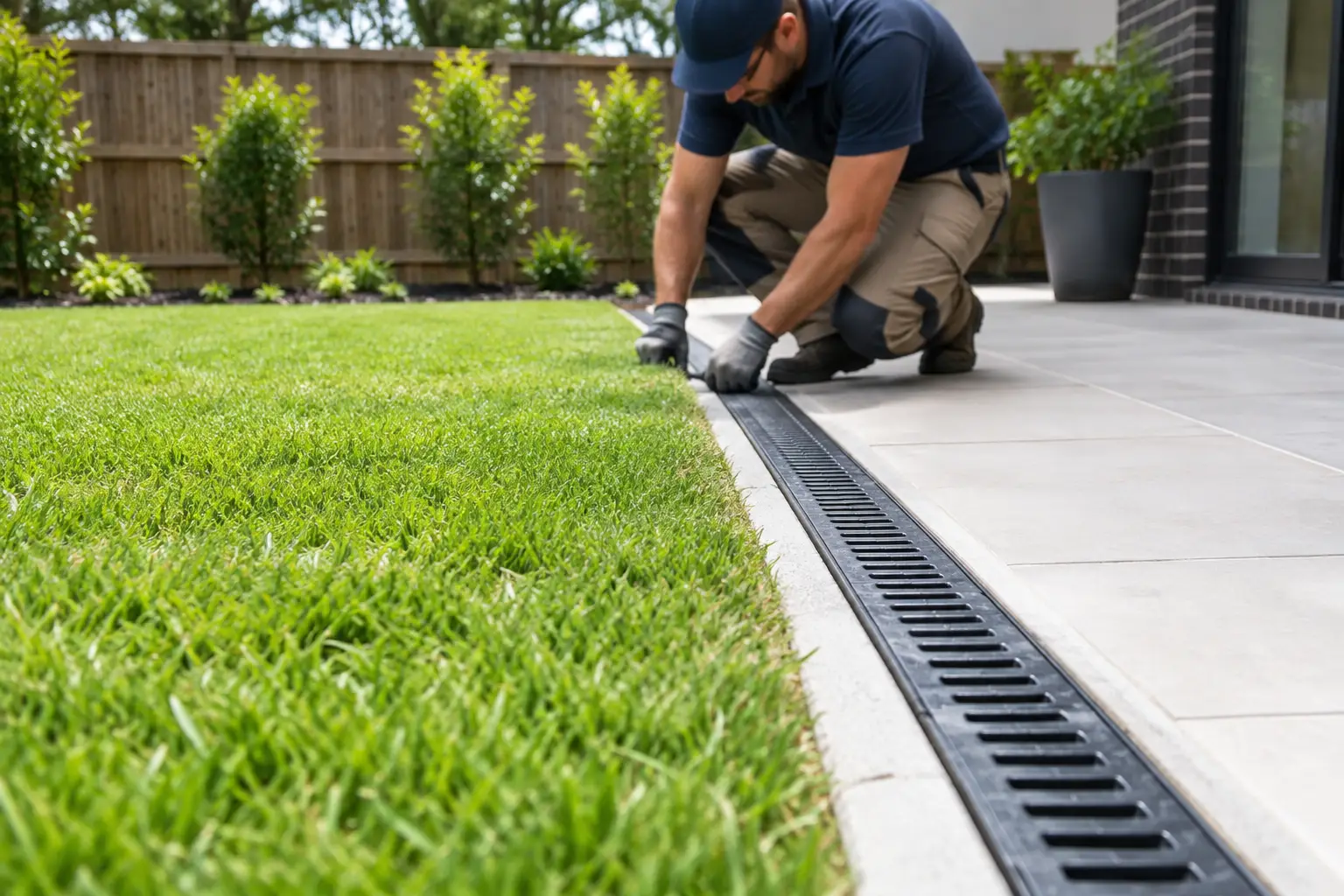
Channel drains are often useful along patios, driveways, paths and the edge of outdoor entertaining areas. They collect water before it crosses the surface and can direct it to an approved outlet. They need to be installed at the correct level and fall, especially where paving or concrete is already in place.
If water runs towards a garage, pool area or lower-level door, a surface drain can protect the area quickly. However, it will not fix poor drainage in the lawn or garden behind it. The surrounding ground still needs to shed water appropriately.
Agricultural drains for wet soil
An agricultural drain, often called an ag drain, is a perforated pipe laid in gravel beneath the ground. It collects excess water from the soil and carries it towards a suitable discharge point. This can be a practical option beside retaining walls, across persistently wet lawns or at the bottom of a slope where groundwater gathers.
The pipe must be installed with the correct fall and wrapped or surrounded with suitable drainage material to reduce sediment build-up. In clay soils, the trench design and outlet are particularly important. A pipe with nowhere safe to discharge will not solve the problem.
Swales and dry creek beds for natural-looking drainage
A swale is a broad, shallow channel shaped into the ground. It slows runoff, directs it away from vulnerable areas and allows some water to soak into the soil. Unlike a narrow trench, it can be blended into a lawn or planted garden.
Dry creek beds offer a more decorative version of this idea. Stone, gravel and carefully selected plants can turn a regular runoff path into a landscape feature that looks good between rain events. They are particularly effective where water naturally travels through a yard, but they still need sound base preparation so water does not undermine the stones or wash soil into the channel.
Soakage areas and rain gardens
Where soil drains well and space allows, a soakage area or rain garden can hold and filter water before it slowly infiltrates the ground. These options can reduce the volume of runoff while adding planting and visual interest to the garden.
They are not suitable for every site. Heavy clay, very high groundwater or a location close to buildings may limit their usefulness. In wet-weather areas, the system needs an overflow route for larger storms, not just a plan for average rainfall.
Improve the soil without creating a sponge
Compacted soil is common in established yards, particularly where machinery, regular foot traffic or construction work has taken place. Aerating a lawn can help water and air move into the root zone, while adding organic matter to garden beds improves soil structure over time.
Be careful with the common advice to add sand to clay. Small amounts can make the soil denser and harder unless they are combined properly with significant organic material and managed across a larger area. For a lawn, improving the soil profile may require removing and replacing poor material, then installing suitable turf on a prepared base.
Mulch also plays a part. A well-mulched garden bed reduces surface crusting, protects soil from heavy rain and slows water movement. Keep mulch clear of stems and house walls, and avoid piling it so deeply that water sheds off the bed rather than soaking in.
Check roofs, downpipes and paved areas
Backyard drainage is often partly a roof-water issue. During a heavy downpour, one downpipe can release a surprising amount of water into a small section of garden. Redirecting roof water through appropriately sized pipes can prevent erosion, protect a garden bed and keep water away from the house.
Paving and concrete should also fall away from buildings. If an existing surface directs water towards the home, repairs may involve relaying sections, installing a channel drain or adjusting the surrounding landscape levels. These decisions are worth getting right, as patching around the edges can leave an ongoing drainage issue beneath the surface.
Any work connected to stormwater needs to comply with local requirements. Water should never be redirected onto a neighbour’s property, across a footpath or into an unsuitable location. For drainage connected to plumbing or stormwater infrastructure, seek advice from the appropriate qualified professional and check council requirements before work begins.
Plant for wet spots and protect slopes
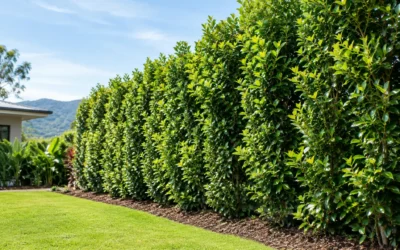
Once water has a safe path, planting can help stabilise the landscape. Dense-rooted groundcovers, grasses and suitable shrubs reduce erosion on gentle slopes and help hold soil in place. In low points that remain damp, choose plants that tolerate occasional wet feet rather than repeatedly replacing plants that prefer dry conditions.
This is where local knowledge matters. A planting plan that works on a sandy Lennox Head block may not suit a heavier inland soil around Alstonville or Lismore. Sun exposure, drainage, wind and maintenance expectations should all shape the final selection.
Retaining walls require special attention. Water building up behind a wall creates pressure that can cause movement, staining and failure over time. Proper drainage gravel, drainage outlets and well-managed surface runoff are part of the construction, not optional extras added later.
When it is time to bring in a landscaper
A few shallow puddles may respond to aeration, minor regrading or improved downpipe direction. If water is reaching the house, pooling against a retaining wall, repeatedly damaging turf or crossing multiple parts of the property, a site-wide plan is usually the smarter investment.
A professional assessment can look at falls, soil type, existing services, roof runoff, paving and the future use of the yard before work starts. Evolve Gardens & Landscaping can help Northern Rivers homeowners combine practical drainage improvements with lawns, planting, retaining and hard landscaping, so the finished space is both functional and enjoyable.
The best drainage solution is rarely the most visible one. When levels, drainage paths and planting work together, your backyard should cope with a proper Northern Rivers downpour, then return to being a place you want to spend time in.