A shrub that has swallowed the path, blocked a window or turned into a tangle of bare stems and leaves can make an otherwise tidy yard feel neglected. Knowing how to prune overgrown shrubs is less about cutting everything back at once and more about making the right cuts at the right time. Done well, pruning brings light, air and shape back into the garden. Done too hard or at the wrong time, it can leave a plant stressed, patchy or slow to recover.
For Northern Rivers gardens, timing and plant choice matter. Our warm, humid conditions can push growth along quickly, while heat, dry spells and heavy rain can all affect how well a shrub responds after a major cut-back.
Start by identifying the shrub and its condition
Before reaching for the secateurs, work out what you are pruning. Some shrubs readily shoot from old wood and cope well with renovation pruning. Others only produce new growth from younger stems and may not recover if cut back into bare, leafless branches.
Common hedging plants such as lilly pilly, murraya, viburnum and many westringias are generally forgiving when pruned in stages. Tough established shrubs such as bottlebrush may also respond well, depending on their health and how much live growth remains. On the other hand, some conifers, older grevilleas and certain formal hedges will not reliably reshoot from old brown wood. With those plants, lighter reshaping or replacement can be the better option.
Look closely at the shrub before you cut. Healthy stems with buds or leaves lower down are a good sign. If the plant is mostly dead wood, badly pest-damaged, suffering from root problems or planted in the wrong spot, heavy pruning may only delay a bigger decision. It can be more practical to remove it and replant with a species suited to the available space, sun and soil.
Choose the right time to prune overgrown shrubs
Avoid major pruning when a shrub is already under pressure. During a hot, dry spell, cutting away a large amount of foliage can expose stems and soil to more sun while reducing the plant’s ability to cope. Likewise, pruning just before prolonged wet weather can leave fresh cuts vulnerable to disease in humid conditions.
In much of the Northern Rivers, late winter to early spring is a useful window for many established shrubs. Plants are preparing for active growth, but the most intense summer heat has not yet arrived. Light trimming can happen at other times of year when needed, especially to keep paths clear or improve visibility around a driveway.
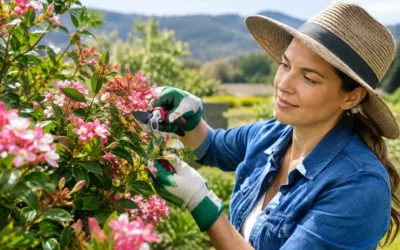
Flowering shrubs need a little more thought. Plants that bloom on last season’s growth should generally be pruned after flowering, rather than beforehand. If you are unsure, a conservative tidy-up is safer than removing all potential flowers. It is also worth checking for active bird nests before starting work and postponing pruning where nesting wildlife is present.
Prepare the plant and your tools
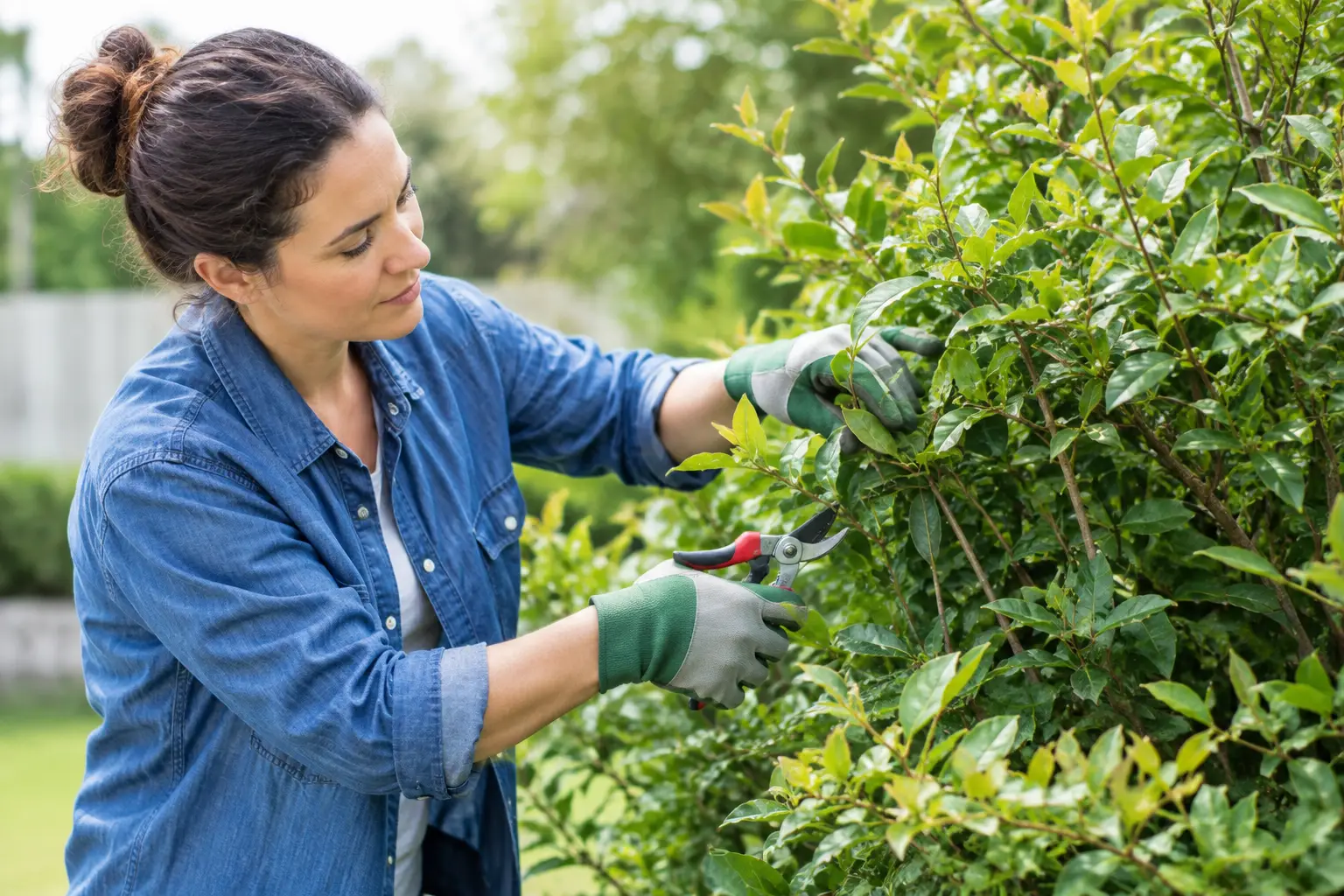
Use sharp, clean secateurs for smaller stems and loppers or a pruning saw for thicker branches. Blunt blades crush stems rather than making a clean cut, which slows healing. Clean tools between plants, particularly if you have noticed fungal spotting, dieback or sticky pest residue.
Water a dry shrub deeply a day or two before major work if conditions are dry, but do not prune a waterlogged plant after heavy rain. Clear away weeds, fallen branches and rubbish from around the base so you can see where stems emerge from the ground. This makes it easier to remove the right growth rather than simply shearing the outside.
For large, woody shrubs, gloves, eye protection and long sleeves are sensible. Branches can spring back unexpectedly, and dense growth often hides old wire, stakes or sharp broken limbs.
Use a staged approach instead of one severe cut
The safest rule for most overgrown shrubs is to remove no more than about one-third of the living growth at a time. A plant that has been ignored for years rarely needs to be fixed in one afternoon. Staged pruning over two or three growing seasons gives it time to redirect energy into healthy new shoots.
Start from the inside. Remove dead, broken, rubbing and diseased branches first. Then take out a few of the oldest stems at ground level or near their point of origin. This is called thinning, and it opens the centre of the shrub without creating a harsh, chopped appearance.
Next, reduce overly long branches by cutting back to a side shoot, outward-facing bud or healthy leafy section. Avoid leaving long bare stubs. A cut made just above a suitable bud or branch junction looks cleaner and gives the shrub a clear point from which to regrow.
If the shrub has become too tall, lower it gradually. Reducing every branch to the same height may create a flat-topped, dense shell of leaves with bare growth underneath. Instead, vary the cuts slightly and retain some lower foliage where possible. The aim is a natural shape that is wider at the base than the top, allowing light to reach the whole plant.
When hard pruning is appropriate
Some hardy, leafy shrubs can be cut back firmly when they are healthy and growing in suitable conditions. This renovation method may involve reducing stems to 30 to 60 centimetres from the ground, but it is not a universal solution. It is best reserved for species known to reshoot from old wood and for plants with sound roots and visible life in the lower stems.
If you choose this approach, do it at an appropriate growth time, water the plant during dry weather and keep mulch clear of the stems. Expect the shrub to look bare for a while. Fresh shoots can be surprisingly vigorous, but they will need selective thinning later so the new framework does not become crowded again.
Shape hedges differently from garden shrubs
An overgrown hedge needs both restoration and a plan for future maintenance. If you cut a neglected hedge straight down to old brown wood, it may not fill back in evenly. With lilly pilly, murraya and similar leafy hedges, reduce the height and width in stages, leaving green foliage on each face where possible.
Trim the hedge so it is slightly narrower at the top than at the bottom. This small adjustment prevents the upper growth from shading the lower branches, which is one of the main reasons hedges become thin and bare near ground level. Once it has recovered, regular lighter trims are far easier on the plant and give a neater result than occasional heavy cuts.
For a hedge that has lost its privacy function or has become permanently sparse, replacement may be more cost-effective than years of corrective work. This is particularly true where roots are competing with large trees, irrigation is inadequate or the original species is not suited to the site.
Help shrubs recover after pruning
After pruning, water deeply when rainfall is limited, especially through warmer weather. Spread a layer of organic mulch over the root zone to hold moisture and moderate soil temperature, but keep it several centimetres away from trunks and stems. Mulch piled against stems can trap moisture and encourage rot.
Do not rush to fertilise heavily. A gentle, suitable slow-release fertiliser may help if the plant is otherwise healthy and the soil is poor, but excessive feeding can produce weak, soft growth that attracts pests. In Northern Rivers gardens, good watering, mulch and sensible pruning usually do more for recovery than a quick dose of fertiliser.
Watch for new growth over the following weeks and months. Once shoots are established, remove any weak, inward-growing or overcrowded stems. This follow-up work creates a stronger structure and avoids the shrub returning to the same dense, unmanageable shape.
Know when professional pruning is the safer choice
A large shrub beside a house, fence, pool, power line or steep slope deserves extra care. So does a plant that has grown into a tree-sized job, contains heavy limbs or needs access equipment. Incorrect cuts can damage property, expose a yard to neighbours or leave a plant looking worse than before.
A professional garden team can identify plants, assess whether staged pruning or replacement is the sensible option, remove green waste and leave the area clean and usable. Evolve Gardens & Landscaping provides tailored pruning and garden clean-ups across the Northern Rivers, with practical advice shaped by the conditions in your own yard.
A well-pruned shrub should not look freshly attacked. It should look lighter, healthier and more at home in the space, with room to grow without taking over the garden again.