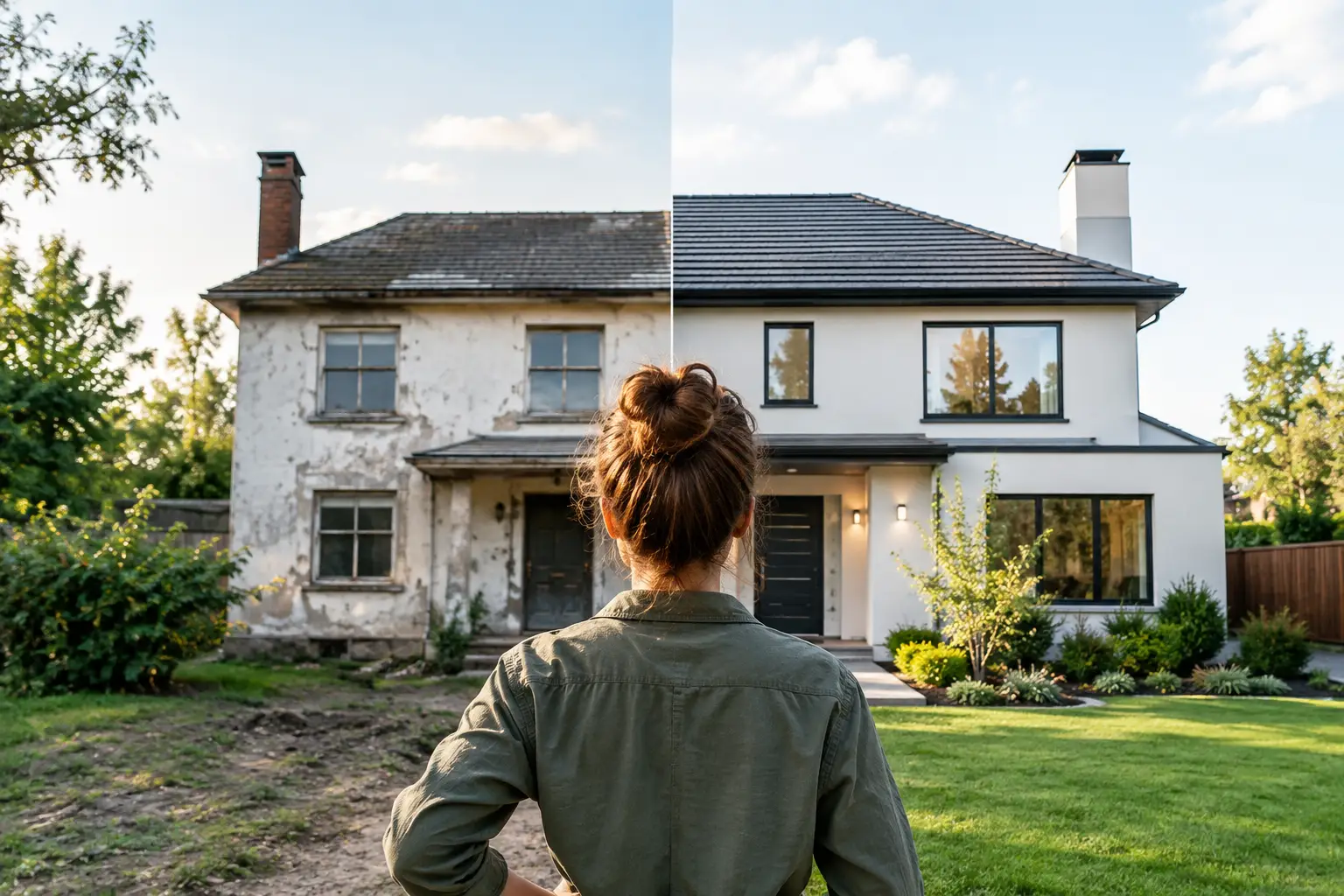
A lifestyle block transformation starts well before new plants go in or a fresh lawn is rolled out. On Northern Rivers properties, the difference between a garden that looks good for one season and an outdoor area that works for years usually comes down to planning for the site itself: the slope, soil, water movement, summer heat, wet-weather access and the way your household actually uses the land.
A lifestyle property should make daily life easier, not create another long list of weekend jobs. Whether you have a few acres outside Alstonville, a sloping block near Lismore or a larger home site around Ballina, the right improvements can turn neglected, difficult ground into practical spaces for living, entertaining, gardening and maintaining.
Start With How You Want to Use the Property
It is tempting to begin with a planting wish list. A better first step is to walk the property and identify what needs to happen in each area. Where do cars, trailers and machinery need to travel? Which entrance do visitors use? Where do children or pets spend time? Is there a spot that could become an outdoor entertaining area, a productive garden or a quiet place to sit out of the wind?
On a lifestyle block, the front of the home, access tracks, lawn areas, garden beds and boundary plantings all need different treatment. Trying to make every part of a large property highly manicured can quickly become expensive and labour-intensive. It is often smarter to create polished zones close to the house, then use tougher, lower-maintenance planting and practical ground cover further out.
This approach also helps set a realistic budget. A staged project may start with site access, drainage and a usable garden around the home, with screening, paddock edges or additional planting completed later. The work is easier to manage when the foundations are right from the beginning.
Get Drainage and Ground Levels Right First
Northern Rivers conditions can be demanding. Long dry spells can harden exposed ground, while heavy rain can quickly reveal every low point, poorly directed downpipe and compacted section of lawn. Water that runs towards a house, sheds or paved area needs attention before cosmetic landscaping begins.
Careful drainage and site preparation protect the investment you make in turf, garden beds and hard surfaces. Depending on the block, this may involve reshaping small areas, directing runoff away from buildings, improving drainage around paths, or selecting surfaces that suit the natural fall of the land. Retaining walls can also make sloping sections safer and more usable, but they need to be planned around drainage, soil pressure and the finished levels of surrounding areas.
Not every slope needs to be flattened. Gentle contours can give a garden character and help define different outdoor zones. The practical question is whether the ground can be safely maintained and whether water is moving where it should. For more complex structural or drainage requirements, the right specialist input should be organised before landscape work proceeds.
Build Access for Wet Days, Not Just Fine Ones
Access is one of the most overlooked parts of a larger property. A track that seems adequate in dry weather may become rutted, slippery or difficult to use after sustained rain. Consider how you will move bins, garden equipment, firewood, feed, deliveries or a ute around the site throughout the year.
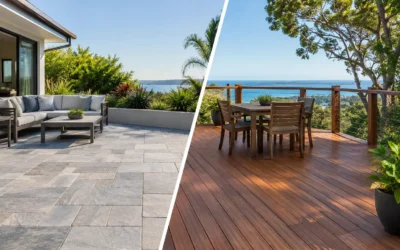
Well-positioned paving, compacted access areas and clear paths can reduce mud being carried into the house and make routine jobs far less frustrating. The material choice depends on use, drainage and appearance. A formal paved path near the home has a different purpose from a practical service route to a shed or rear garden.
Choose Plants for the Northern Rivers, Not the Catalogue
A healthy garden is not simply a collection of attractive plants. It is a system matched to the soil, sunlight, rainfall and level of care available on your property. Heat-exposed sites around Byron Bay, windier coastal blocks and inland properties with heavier soils can all need very different planting decisions.
Start by observing where the full afternoon sun falls, which areas stay damp after rain and where trees compete for moisture. This makes it easier to position tougher plants in exposed locations and reserve more water-hungry varieties for protected areas closer to irrigation. Native and drought-tolerant species can be excellent choices for boundaries and larger beds, while more lush, layered planting can work well around patios and entrances where it will be enjoyed and maintained.
There is a trade-off here. Dense tropical-style planting can create a beautiful, private setting, but it may require regular pruning, feeding and watering. A simpler palette of hardy shrubs, grasses and ground covers will generally need less attention once established. Neither option is automatically better. The right choice depends on the look you want, how much time you have and whether ongoing professional maintenance is part of the plan.
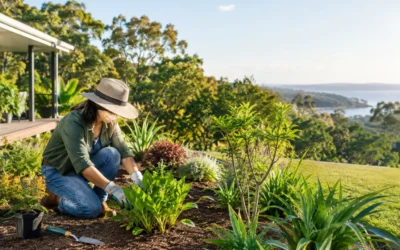
Mulch, soil preparation and sensible plant spacing matter just as much as the species selected. Crowding new plants may make beds look full on day one, but it can lead to poor airflow, competition and more pruning later. Giving plants room to mature usually delivers a cleaner result over time.
Create a Usable Area Around the House
The area immediately around the home does the most work. It needs to look inviting on arrival, provide comfortable access and cope with regular use from family, guests, pets and garden maintenance. This is where a lifestyle block transformation has the greatest day-to-day impact.
A practical layout might combine a lawn area for children, paved access for outdoor dining, privacy screening near neighbouring properties and garden beds that soften the edges. Timber screens can create separation without making the space feel closed in, while hedging and layered planting can provide a more natural form of privacy. In exposed areas, the best result may use both: a constructed screen for immediate cover and plants that gradually build shade and softness.
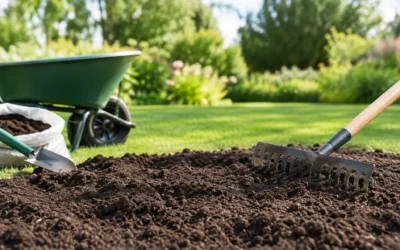
Turf selection should suit the property rather than just the desired colour. Sun, shade, foot traffic, soil condition and watering capacity all affect how well a lawn performs. Preparing the base properly and installing irrigation where appropriate will usually provide a better outcome than repeatedly trying to revive a struggling lawn after the fact.
Plan Privacy, Boundaries and Views Together
Lifestyle properties often offer more space, but not always more privacy. A road, neighbouring home, pool area, shed or elevated deck can create sightlines that make an otherwise generous yard feel exposed.
Before planting a screen, decide what you want to hide and what you want to keep. Blocking an unattractive boundary may be worthwhile, but screening a distant outlook can make the property feel smaller. Strategic planting can frame a view, filter glare and create privacy without forming a solid green wall across the entire block.
Hedges need regular trimming to stay dense and tidy, particularly in fast-growing conditions. If a low-maintenance solution is the priority, use a mix of screening trees and shrubs with enough space to develop naturally. If a formal hedge is preferred, allow for the ongoing work required to keep it at the right height and shape.
Think About Maintenance Before the Work Is Finished
A well-designed property should be straightforward to look after. That means considering mower access around trees and garden edges, keeping irrigation controls accessible, placing taps where they are useful and avoiding narrow planted strips that collect leaves but are difficult to maintain.
Regular lawn mowing, pruning, hedge trimming and seasonal garden clean-ups protect the appearance of a newly completed project. They also allow small issues to be spotted early, such as blocked drains, stressed plants, pest damage or irrigation problems. For busy households and retirees, ongoing care can be the difference between enjoying the property and falling behind on it.
At Evolve Gardens & Landscaping, the aim is to organise landscape improvements around the realities of Northern Rivers properties, then provide practical maintenance once the work is complete. A clear consultation and a free, no-obligation quote help establish what should be done now, what can wait and what will deliver the strongest result for your budget.
The best lifestyle block is not the one with the most features. It is the one that suits your land, gives you more time outdoors and remains manageable long after the initial transformation is finished.