A backyard can be sunny, tidy and beautifully planted, yet still feel exposed when a neighbour’s deck looks straight into the entertaining area. The best backyard privacy ideas do more than block a view. They make outdoor spaces more comfortable to use, soften noise and create a garden that feels like part of your home.
Across the Northern Rivers, the right approach depends on the block. A compact Ballina yard may need screening without losing precious space, while a lifestyle property near Alstonville may need shelter from wind and open sightlines. Heat, heavy rain, soil type, existing drainage and maintenance expectations should all shape the decision.
Start with the view you need to block
Privacy is rarely an all-or-nothing problem. Stand where you sit at the outdoor table, use the barbecue or relax by the pool, then look towards the overlooking window, driveway or neighbouring balcony. This tells you the height, width and location of the screen you actually need.
A full boundary fence may be appropriate where homes are close together, but it can make a small yard feel boxed in. Often, a shorter run of screening beside a patio, a planted section near the pool, or an overhead structure on one side of a deck will solve the problem with less cost and less visual weight.
It is also worth checking boundary positions and local requirements before building. Fence height, retaining work, drainage changes and structures close to property lines can involve planning or neighbour considerations. Sorting these details early avoids expensive changes once work has started.
1. Timber privacy screens for immediate results
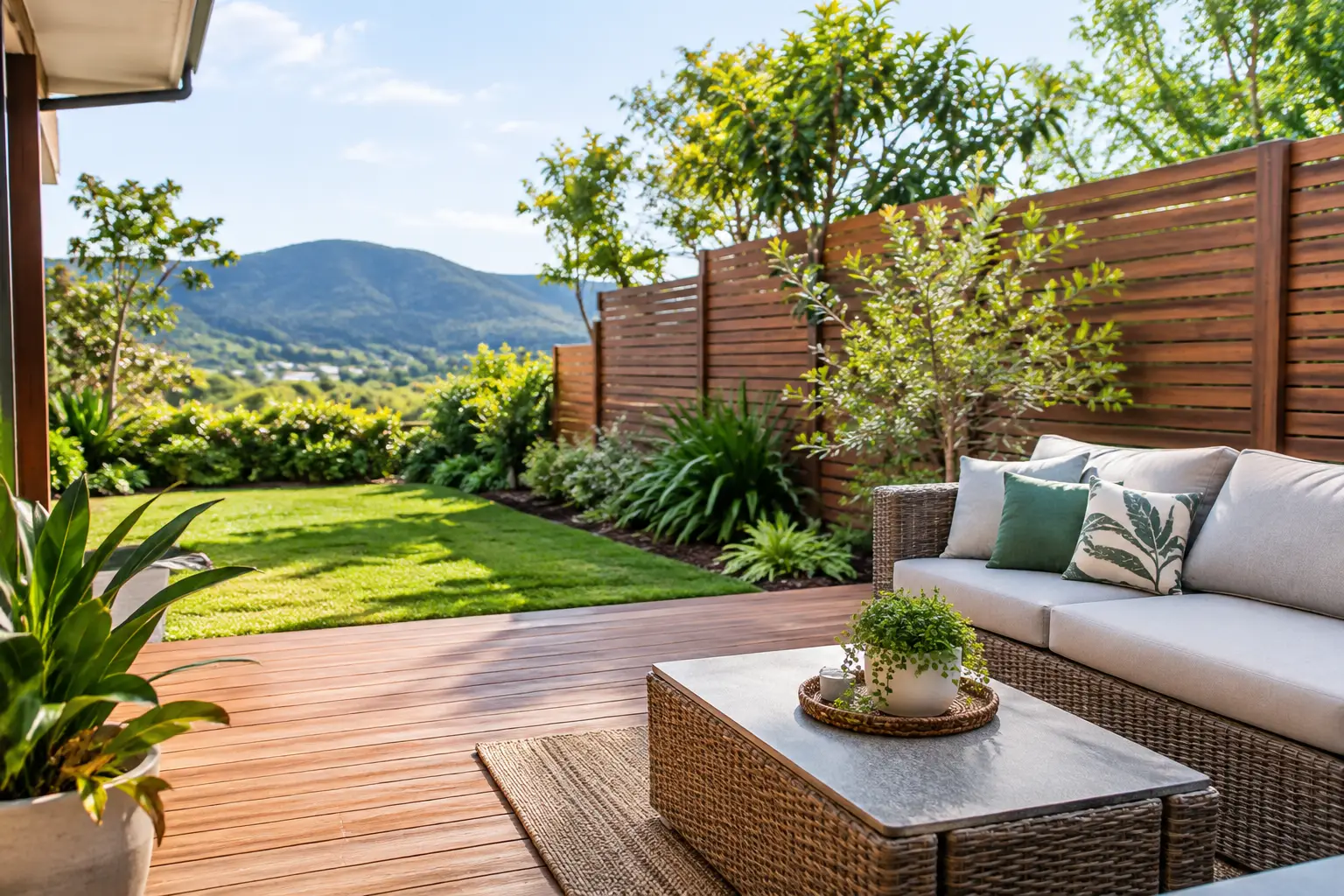
Timber privacy screens are one of the most effective options when you need privacy now. They can be built as vertical battens, horizontal slats, framed panels or a custom design that follows an existing deck, pergola or fence line.
Slatted screens are especially useful because they filter views without shutting out breezes. This matters in humid Northern Rivers summers, when a solid wall can leave an outdoor area feeling hot and still. The spacing and direction of battens can be adjusted to block a particular view while keeping the garden open from other angles.
Timber does need ongoing care. A quality exterior finish and sensible detailing help it stand up to sun and rain, but periodic cleaning and recoating should be expected. For a lower-maintenance look, some homeowners choose aluminium screening, although it has a different warmth and character to timber.
2. Layered hedging for a softer boundary
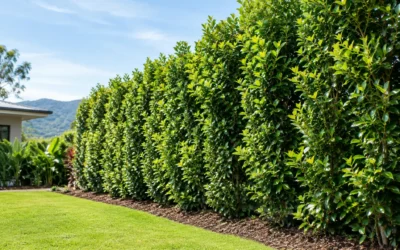
A living hedge brings privacy, shade and greenery to a fence line. It also helps a boundary feel less harsh, which is valuable where colourbond fencing dominates the view from a living room or patio.
The key is choosing plants that suit the site rather than simply selecting the fastest-growing option. A hedge in full western sun needs a tougher plant than one in a sheltered, irrigated courtyard. Soil drainage matters too, particularly after sustained coastal rain. The most successful hedges are planted at the correct spacing, mulched well and given reliable water while they establish.
For privacy, dense foliage matters more than height alone. Lilly pilly varieties are popular for their lush appearance, while clumping bamboo can work where a narrow planting strip needs vertical coverage. Each has different pruning, water and root-management needs. Clumping bamboo should be selected carefully and contained appropriately, while a formal hedge needs regular trimming to remain dense down to the base.
A hedge is not an overnight answer. If overlooking is urgent, combine young plants with a simple screen or fence, then let the planting gradually become the feature.
3. Use climbers to dress an existing fence
If the fence is structurally sound but looks plain or exposed, climbers can give it another job. A trellis fixed in front of the fence creates room for plants without putting excessive pressure directly onto palings or panels.
Climbers work well around patios and side boundaries, where ground space is limited. Star jasmine can provide dense green cover and fragrance, while other choices may suit shadier or more tropical conditions. The best plant depends on sunlight, available water and how much pruning you are prepared to do.
Avoid letting vigorous climbers run unchecked into gutters, roofing or neighbouring vegetation. A planned support structure and regular pruning keep the finish tidy and make maintenance much easier.
4. Build a planted screen around a patio or pool
A privacy screen does not have to sit exactly on the boundary. Planting closer to the entertaining zone can create a more useful, intimate space while leaving the rest of the yard open for lawn, children and pets.
Consider a layered garden bed with taller screening plants at the rear, medium shrubs in front and lower foliage around the edge. The layers give the garden depth and reduce the rigid appearance of a single row of plants. They also allow you to introduce colour and texture without sacrificing coverage.
Around pools, plant selection needs extra thought. Choose plants with limited leaf drop and avoid thorny varieties near pathways and seating. Allow enough clearance for access, pool maintenance and air movement. Good irrigation is equally important, as reflected heat from paving and pool surrounds can dry garden beds faster than expected.
5. Add a pergola, roof or overhead screening
Overlooking often comes from above. A neighbour’s second-storey window can see over a fence that is perfectly adequate at ground level. In this situation, a pergola with battens, privacy panels, shade cloth or carefully trained climbers may be more effective than making the boundary higher.
An overhead element can also improve the comfort of a deck or paved area by reducing harsh afternoon sun. It needs to be designed for drainage, wind exposure and the way you use the space. A heavy roof provides more weather protection, while open battens keep the area lighter but offer less rain cover.
This is usually a job worth planning as part of the wider landscape. The position of paving, outdoor furniture, lighting, planting and access paths all affect whether the finished area feels practical rather than crowded.
6. Create privacy with level changes and retaining walls
Sloping blocks can feel particularly exposed because adjoining homes sit above or below the main garden. Retaining walls can help create level outdoor zones, define garden beds and provide a stronger base for fencing or planting.
A raised garden bed on top of a retaining wall can lift screening plants closer to the sightline you need to block. This may achieve better coverage with lower-growing plants than would be required at ground level. On the other hand, retaining walls involve drainage, structural requirements and careful construction. They should never be treated as a simple decorative feature when they are holding back soil.
On a lower budget, reshaping a garden bed or positioning a feature tree can sometimes interrupt views without major excavation. The right solution comes down to the slope, the water flow and how permanent the change needs to be.
7. Combine screening with a practical fence upgrade
An old, uneven or transparent fence can undermine an otherwise well-kept backyard. Replacing it, extending it within allowable limits or adding a purpose-built screen may improve both privacy and presentation.
Colourbond fencing is durable and low-maintenance, and it can be a sensible choice along long side boundaries. Its clean surface is also a good backdrop for planting. Timber fencing has a softer, more natural appearance but generally requires more upkeep in coastal and high-rainfall conditions.
For many homes, the best result is a combination: a functional boundary fence with feature timber screening near the deck, plus planting to break up long stretches of hard material. This gives privacy without making the whole yard feel closed off.
8. Use movable options where a permanent screen is not right
Outdoor blinds, freestanding planter boxes, large pots and folding screens can help where privacy needs change through the day or where construction is not the right choice. They are useful for renters, small courtyards and patios with a specific overlooking issue.
These options are flexible, but they are less durable in strong weather and may need securing in windy locations. Large planters also need proper drainage and regular watering. They work best as a targeted addition, not as the only solution for a major boundary problem.
Plan for maintenance before choosing a style
Every privacy solution needs some level of care. Hedges need pruning, timber needs protecting, climbers need training and garden beds need mulch, feeding and water. The most attractive option is not always the right one if it will become another demanding weekend job.
A practical design matches the amount of maintenance you want to take on. Drip irrigation can make new screening plants far more reliable through dry periods. Wide enough garden beds give roots room to establish. Easy access behind a hedge or along a screen means future trimming and repairs can be carried out properly.
For homeowners who want the project handled from design through to regular care, Evolve Gardens & Landscaping can coordinate privacy screens, planting, irrigation, paving and ongoing garden maintenance around the way you use your property.
The most successful private backyards still feel connected to the outdoors. Choose the view you want to soften, leave room for light and breezes, and build the solution around your home rather than simply building the tallest barrier possible.