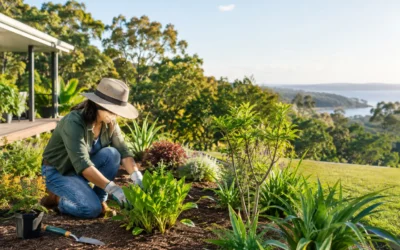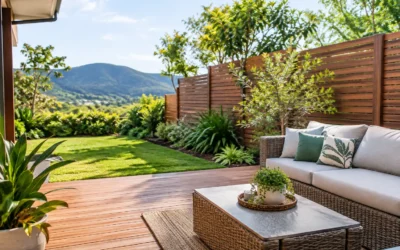
A new fence can block a view, but it rarely cools a hot western yard, softens traffic noise or makes a backyard feel settled. The best screening trees Northern Rivers homeowners choose do more than create privacy. They need to cope with humid summers, heavy rain, dry spells, coastal wind and the varied soils found from Byron Bay and Lennox Head through to Ballina, Alstonville and Lismore.
The right choice depends on what you need the screen to do, how much room it has to grow and how much ongoing trimming suits your household. A fast-growing plant is not automatically the best option if it will quickly outgrow a narrow side boundary, interfere with powerlines or demand constant pruning.
What makes a good screening tree locally?
For most Northern Rivers properties, an effective screen stays leafy through the year, responds well to pruning and can handle the site without excessive watering once established. Dense foliage matters more than headline growth speed. A tree with an open canopy may look attractive but will not give meaningful privacy from a neighbouring deck or second-storey window.
Start by looking at the conditions rather than choosing from a photo. Coastal blocks may receive salt-laden wind and sandy, free-draining soil. Hinterland properties can have heavier clay, steep ground and intense summer moisture. Western boundaries often deal with punishing afternoon sun, while lower areas may hold water after a major downpour.
Height is another practical consideration. If a screen needs to be maintained at three metres, avoid a species that naturally wants to reach 12 metres. It can be done, but regular hard pruning creates expense and often leaves a poorer-looking hedge over time.
Best screening trees for Northern Rivers conditions
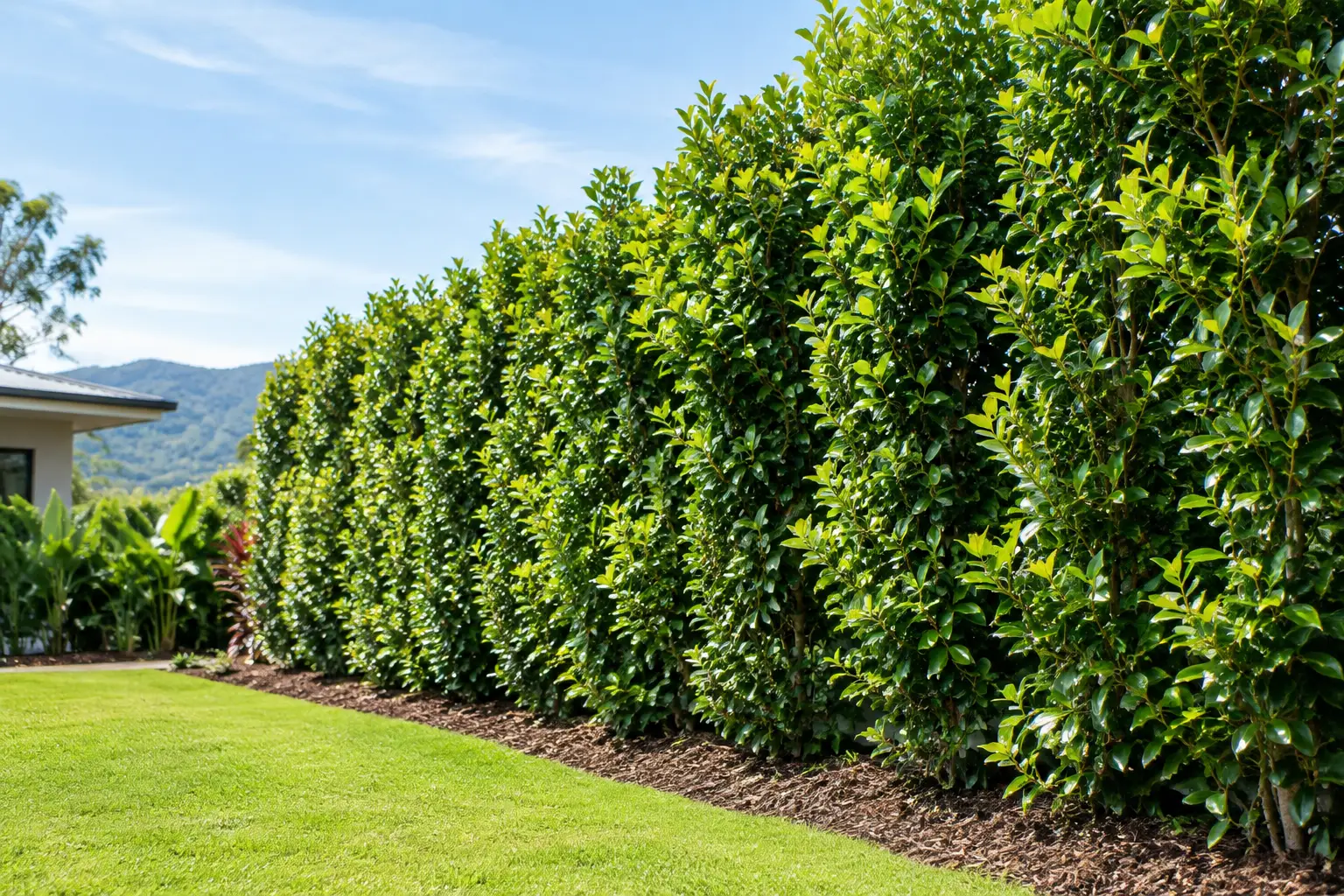
Lilly pilly for a neat, evergreen boundary
Lilly pilly remains one of the most reliable choices for suburban privacy screens. It has dense evergreen foliage, suits formal hedging or softer shaping, and works well along fences where homeowners want a green backdrop rather than a solid built screen. Smaller growing varieties can suit courtyards and side boundaries, while larger forms are better for generous yards and acreage entrances.
Variety selection matters. Some lilly pillies are more prone to psyllid damage, which can distort new leaves and make a hedge look untidy. Choosing a resilient variety, planting into prepared soil and maintaining even moisture while it establishes will give better results. A light trim after new growth helps encourage a thick screen rather than tall, sparse plants.
Weeping lilly pilly for larger spaces
Weeping lilly pilly, also known as Waterhousea floribunda, is a strong option where there is room for a taller, more relaxed screen. Its glossy foliage and naturally graceful shape make it particularly effective along longer boundaries, around pools and beside driveways. It can provide substantial privacy without looking overly formal.
It is not the right plant for a very narrow strip. Allow adequate clearance from buildings, fences, drains and paving, as it develops into a sizeable tree. With sensible formative pruning from a young age, it can be kept dense from lower down and managed at a practical height.
Tuckeroo for exposed coastal sites
For properties closer to the beach, tuckeroo is worth serious consideration. It is a hardy Australian native that tolerates coastal exposure and performs well in sandy soils once established. The rounded evergreen canopy provides shade as well as screening, making it useful where a boundary is exposed to wind or harsh sun.
Tuckeroo is usually less formal than a tightly clipped lilly pilly hedge. It suits homeowners who prefer a natural-looking planted boundary and have enough space to let each tree develop. It can also be paired with lower native shrubs to close gaps at fence level while the trees mature.
Brush box for tall, long-term screening
Brush box is a valuable choice for bigger blocks and sites where a tall, durable screen is needed over the long term. It forms a dense canopy, copes with a range of conditions and can create a handsome avenue or living boundary. Its slower, steadier establishment is often a worthwhile trade-off for a tree that will not need constant attention once mature.
Because brush box can become a substantial tree, placement is critical. It needs room away from roofs, overhead services and small garden beds. On the right site, it is an excellent investment in privacy, shade and property presentation.
Clumping bamboo when space is tight
Clumping bamboo can make a very effective narrow screen, especially beside a pool, along a modern courtyard or where a neighbour looks directly into an outdoor entertaining area. The key word is clumping. Running bamboo can spread beyond its intended area and create an ongoing problem, so it is not suitable for most residential boundaries.
A well-chosen clumping bamboo gives quick vertical coverage and has a clean, architectural look. It still needs reliable water, feeding and periodic thinning of older canes. In an exposed, dry position with no irrigation, it may struggle or become thin at the base, so this option works best when maintenance is planned from the beginning.
Magnolia for a formal feature screen
Magnolia varieties with a naturally narrow habit can suit a more formal garden design. Their large leaves offer strong visual screening, and their flowers add an attractive feature near patios, entry paths and entertaining areas. They are often chosen where the screen needs to look polished as well as private.
Magnolias generally need good drainage, improved soil and regular water through their establishment period. They are not always the simplest choice for exposed coastal blocks or heavy, poorly drained clay. In the right protected position, however, they can be a striking alternative to the usual hedge planting.
Plan the screen before planting
The most common screening mistake is planting too closely in the hope of getting instant privacy. Plants may look full in the first year, but overcrowding leads to competition for water and nutrients, weaker growth and bare patches later on. Correct spacing allows roots and canopies to develop, then meet naturally.
Before planting, check where the sun falls in summer and winter, where water runs after rain, and whether the area is affected by roots from established trees. Also consider access for mowing, fence repairs and future pruning. A screen that leaves no room to work becomes difficult to maintain properly.
For a boundary beside a house, consider underground services, stormwater lines and the distance from footings. Taller trees should also be selected with local powerline clearances in mind. A good landscape plan balances privacy with airflow, light and safe access around the property.
Establishment is where the screen succeeds or fails
Even tough plants need care through their first one to two years. Prepare the planting area with compost or suitable soil conditioner where needed, but avoid creating a small pocket of rich material surrounded by poor soil. Roots need to move out into the surrounding ground.
Water deeply and consistently rather than giving a light sprinkle every day. Mulch helps retain moisture, protect surface roots and reduce weeds, but keep it clear of trunks to prevent rot. In dry weather, check soil moisture beneath the mulch rather than relying on how the surface looks.
Pruning should begin early and lightly. Tip pruning encourages branching and helps create the dense lower growth that makes a screen useful. Waiting until plants are tall and leggy before cutting them back often delays the result homeowners want.
A living screen works best as part of the whole garden
Trees alone do not always solve a privacy issue, particularly on sloping sites or where neighbouring windows look down into the yard. Combining planting with a timber privacy screen, retaining wall, layered shrubs or carefully positioned pergola can provide a more immediate and lasting solution. This approach also reduces the pressure to force one row of trees to do every job.
Evolve Gardens & Landscaping can assess the available space, soil, exposure and level of privacy required before recommending a planting layout that suits your property and maintenance budget. The aim is not simply to fill a fence line quickly, but to establish a healthy screen that looks better with each season.
A well-planned living boundary gives you more than separation from the neighbours. It creates shade, brings birds into the garden and makes the outdoor area feel like a place you actually want to use.