A garden that looks great after a week of rain but struggles through a dry, hot spell is not working hard enough for a Northern Rivers home. Climate resilient landscaping is about creating an outdoor space that can handle both sides of our local conditions: intense rainfall, humidity, heat, dry periods and changing seasons. Done well, it reduces the time and water needed to keep your property looking cared for, without settling for a bare or purely functional yard.
For homeowners in Ballina, Lennox Head, Byron Bay, Lismore, Alstonville and surrounding areas, the best answer is rarely a one-size-fits-all plant list. The slope of your block, soil type, aspect, existing trees, drainage paths and how you use the space all affect what will last.
Start with how water moves through your property
Water is the first practical consideration. During heavy rain, it needs somewhere safe to go. During dry weather, the garden needs to hold onto enough moisture to support lawns, trees and planting beds.
Walk around your property after substantial rain and look for ponding water, erosion, runoff from downpipes and wet patches beside paths or retaining walls. These are useful clues, not minor annoyances to cover with new plants. A garden makeover that ignores drainage can lead to washed-out mulch, dying roots, muddy lawn areas and water pressure against structures.
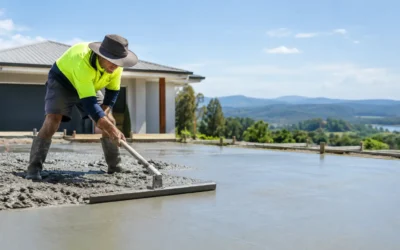
On sloping blocks, retaining walls, stepped garden beds and carefully placed paving can slow water down and make the area safer and more usable. In flatter yards, shaping garden beds, improving soil structure and directing runoff away from buildings often makes a major difference. The right approach depends on the site. A low spot may suit a planted drainage area, while a heavily used access path may need a firmer surface and drainage beneath it.
Good soil does plenty of quiet work in a climate-ready garden. Compost and organic matter help sandy ground retain moisture while improving heavy soils so water can move through rather than sit around plant roots. Mulch is equally valuable. A generous layer helps moderate soil temperature, reduces evaporation and limits weed growth, but it should be kept clear of trunks and stems to prevent rot.
Choose plants for the position, not just the look
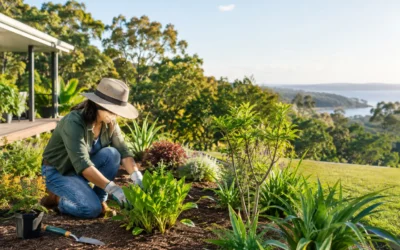
A plant can be labelled drought tolerant and still fail if it is planted into poor drainage, baked by afternoon sun when it prefers shade, or crowded by established tree roots. Local conditions matter more than a tag at the nursery.
Climate resilient landscaping starts with matching each plant to its position. North- and west-facing areas often need tougher choices that can cope with reflected heat from fences, driveways and walls. Sheltered spaces may hold more humidity and need plants with good airflow around them. Low-lying areas may need species that tolerate occasional wet feet without becoming permanently waterlogged.
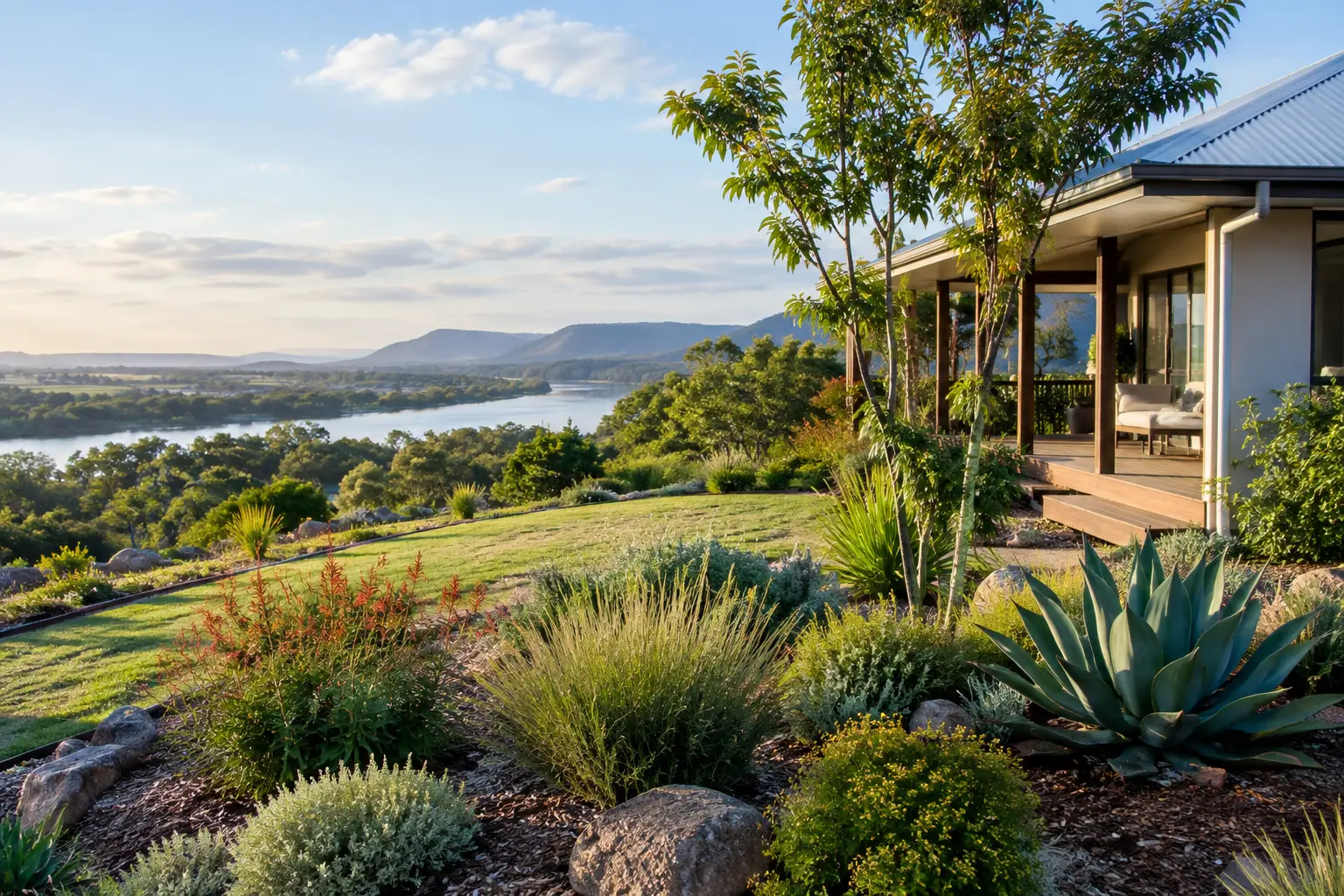
A layered planting plan generally performs better than isolated specimens. Groundcovers protect bare soil, low plants soften edges, shrubs create structure and small trees provide shade and habitat. This layering also makes a garden feel established sooner and gives you options if one plant needs replacing.
Native plants can be an excellent part of the mix, particularly species suited to local soils and exposure. They are not automatically maintenance-free, however. New planting still needs consistent watering while roots establish, pruning at the right time and enough room to mature. There is also room for well-chosen non-native plants where they suit the site and your preferred garden style.
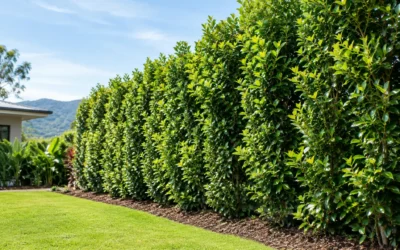
For a family yard, that may mean hardy shade trees around a lawn area, dense screening along a boundary and lower planting near paths so sightlines stay open. For a coastal property, salt exposure and wind may be bigger concerns than frost. For a hinterland block, drainage, access and steep ground could drive the entire design.
Build shade into the landscape plan
Shade is one of the most effective ways to improve outdoor comfort and reduce stress on plants and turf. It can make a deck or paved entertaining area usable on hot afternoons and lower the demand for water in nearby garden beds.
Trees need careful selection and placement. Consider their mature height and canopy spread, root behaviour, leaf drop, distance from services and proximity to the home. A small tree planted too close to a fence or roofline can become a future maintenance issue, while the right tree in the right place can provide years of practical value.
Timber privacy screens, pergolas and planted screens can also create relief from western sun and neighbouring views. They work best when planned together. A screen may provide immediate privacy, while climbing plants or shrubs soften the structure over time. This staged approach is useful when you want the garden to look finished now but greener and more shaded in the years ahead.
Use lawn where it earns its place
A large lawn can be perfect for children, pets and relaxed weekends, but it is not always the most resilient option for every corner of the yard. Narrow strips beside driveways, deep shade under trees and steep banks can become ongoing mowing and watering jobs with little benefit.
Keep lawn for open, usable areas where it has a clear purpose. Consider planting beds, groundcovers, gravelled paths or paved zones for the hard-to-maintain sections. This does not mean removing all turf. It means designing a lawn area that can be mown, watered and enjoyed without becoming a constant battle.
Turf selection should suit the amount of sun, traffic and maintenance you can realistically provide. Even drought-tolerant varieties need water to establish, and all lawns perform better with sensible mowing heights, occasional feeding and attention to compacted soil. Cutting too low during hot weather weakens the grass and exposes soil to faster drying.
Make irrigation efficient, not excessive
Irrigation is most useful when it supports establishment and targets the areas that need it. A poorly designed system can waste water, encourage shallow roots and leave some plants dry while soaking others.
Drip irrigation in garden beds delivers water closer to the root zone and can be more efficient than spraying foliage. For lawns, correct sprinkler placement matters, particularly where wind or hard surfaces can throw water off target. A controller with seasonal adjustments helps avoid running the same schedule through every part of the year.
Water deeply and less often once plants are established, rather than applying small daily amounts. Deep watering encourages roots to move down into cooler soil where moisture lasts longer. The exception is newly planted gardens, which need more regular monitoring until their root systems have developed.
Rainwater tanks can be worthwhile where roof catchment, budget and property layout make sense. They are not a replacement for sensible plant selection, drainage or soil preparation, but they can provide a useful backup for gardens during dry periods.
Plan for maintenance from the beginning
The most attractive climate-ready landscapes are not neglected landscapes. They are gardens designed to make ongoing care straightforward. Leave enough access for mowing, pruning and servicing irrigation. Choose hedges that can be maintained at a sensible height. Avoid packing plants so tightly that air cannot circulate or maintenance becomes difficult.
Regular attention also catches small problems early. Pruning away damaged growth after storms, checking mulch levels, clearing drains, adjusting irrigation and removing weeds before they seed all protect the investment you have made in your outdoor space.
For larger makeovers, it helps to have one team consider the full picture: planting, lawn areas, drainage, paving, retaining walls, privacy and the ongoing care the garden will need. Evolve Gardens & Landscaping takes this practical, site-specific approach so each element works with the next, rather than competing for space or creating extra work later.
A resilient garden should still feel like your garden. Whether you want a low-maintenance coastal courtyard, a greener family backyard or a more usable sloping block, start with the realities of the site and build from there. The result is an outdoor space that keeps its colour, comfort and purpose when the weather does what Northern Rivers weather does.