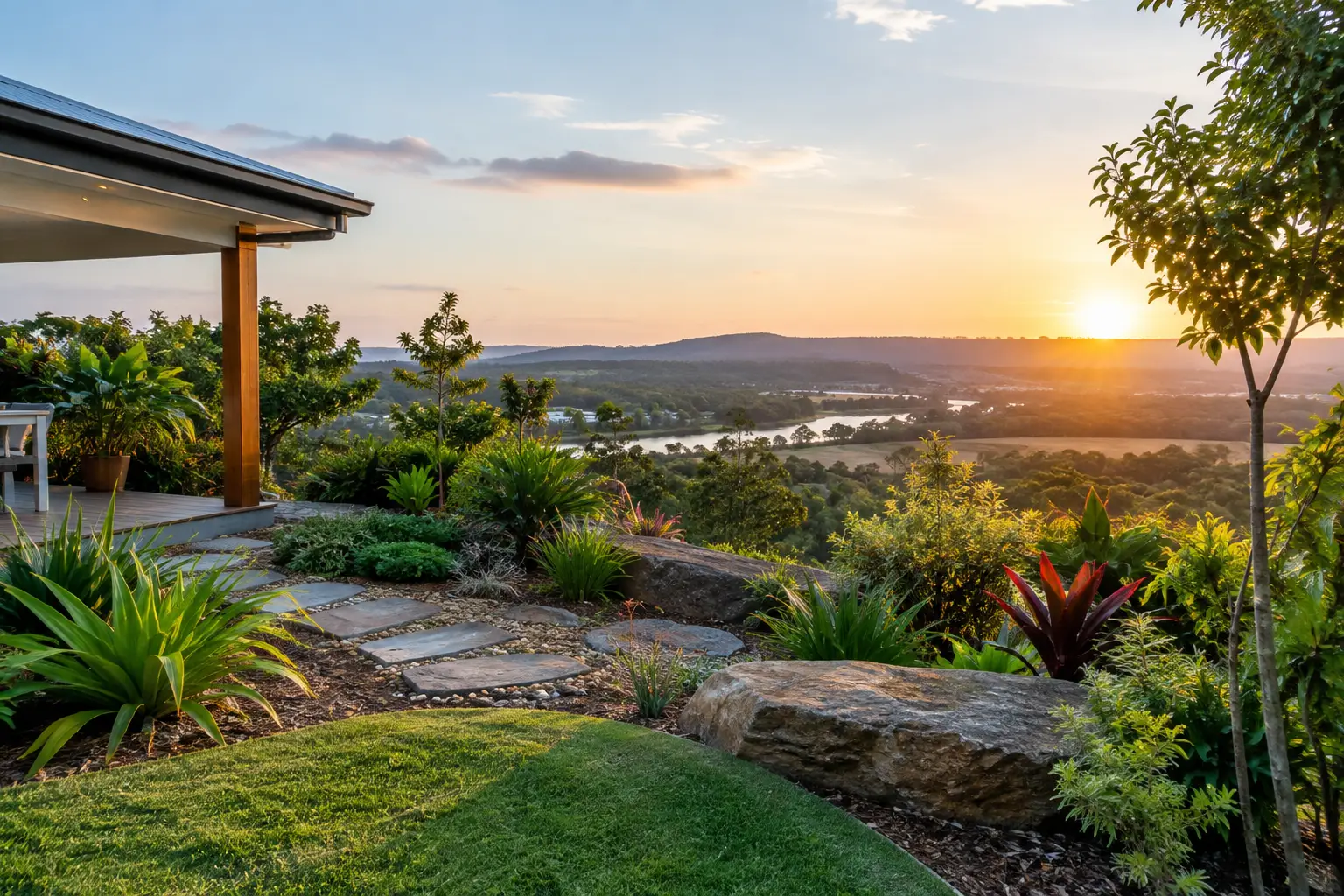
A garden can look brilliant after a weekend tidy, then struggle the first time a dry spell, heavy downpour or hot western afternoon arrives. That is why good Northern Rivers landscaping is not simply about choosing attractive plants or laying fresh turf. It is about creating an outdoor space that suits your block, your routine and the conditions it will face throughout the year.
Across Ballina, Lennox Head, Byron Bay, Lismore, Alstonville and surrounding areas, every property brings a different set of challenges. Sandy coastal soils, compacted ground, wet patches, sloping backyards and exposed entertaining areas all call for a considered approach. The best result is one that looks settled and inviting while remaining practical to care for.
Start with how you want to use the space
A successful landscape begins with a straightforward conversation about daily life. A young family may need an open lawn area that can handle play, a clear path to the clothesline and planting that does not become a constant pruning job. A retiree may prefer lower-maintenance garden beds, level access and a private spot to sit outside. For a lifestyle property, the priorities may be erosion control, reliable irrigation and making large grounds manageable.
The layout should work before the planting starts. That could mean widening a narrow access path, defining a dining area with paving, adding a timber privacy screen where neighbouring windows overlook the yard, or improving drainage before installing turf. These decisions influence how the garden feels to use every day.
It is also worth being honest about maintenance. A densely planted tropical-style garden can be beautiful, but it may need regular trimming, feeding and watering. If time is limited, a simpler structure of hardy plants, mulch, lawn and well-planned edges can deliver a polished look with far less work.
Northern Rivers landscaping needs local knowledge
The Northern Rivers climate rewards preparation. Long warm periods can place pressure on lawns and new plants, while intense rainfall can wash soil from exposed beds or overwhelm poorly directed water. Coastal gardens may contend with salt-laden winds, whereas inland properties can have heavier soils and greater temperature swings.
Rather than applying the same formula to every block, the right approach considers sun, drainage, soil and slope together. A plant that thrives in a sheltered, well-drained Lennox Head courtyard may not be the right fit for a damp, shaded corner in Lismore. Likewise, turf selection should account for shade, foot traffic, mowing expectations and access to water.
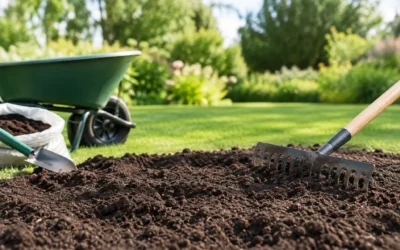
Soil preparation is one of the least visible but most valuable parts of a landscape project. Improving soil condition, setting correct levels and adding quality mulch gives new planting a better chance to establish. It also helps retain moisture through hot weather and reduces weed growth. Skipping this work may save money at the start, but it often leads to replacement plants and ongoing frustration later.
Water should be planned, not chased
Irrigation is especially useful where garden beds are extensive, properties are vacant at times, or plants sit in full sun. A well-designed system puts water where it is needed rather than relying on a hose after plants begin showing stress. Drip irrigation can be effective in garden beds, while lawn areas may need a different solution.
Not every garden needs a complex automated system. Smaller yards can often be managed with sensible plant choices, mulching and accessible taps. The goal is to match the system to the property, budget and level of care you want to provide.
Build the hard-working parts properly
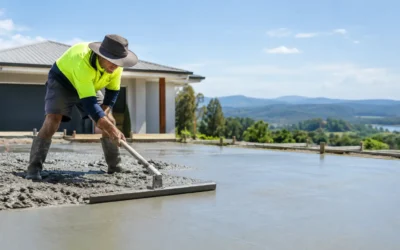
Landscaping is often judged by its finished appearance, but construction quality determines how well the space performs over time. Paving needs sound preparation and appropriate falls so water moves away from buildings. Retaining walls need to suit the site and manage the pressure of soil and water behind them. Concreting needs careful planning around access, drainage and how the area will be used.
These elements are not just decorative additions. They can solve genuine problems. A retaining wall can turn an awkward slope into level planting or usable lawn. Paving can create a clean outdoor dining zone and reduce mud near entry points. A privacy screen can make a small yard feel more comfortable without closing it in.
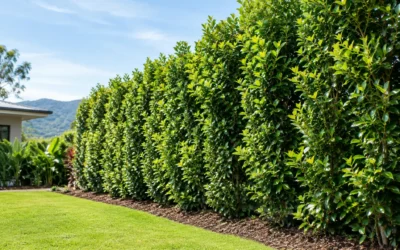
There are trade-offs to weigh up. Timber screens offer warmth and a natural finish but need periodic care. Hard surfaces reduce mowing and can improve access, but too much paving may increase heat around the home and reduce areas for water to soak into the ground. Combining surfaces with planting, permeable areas and shade is often the more comfortable option.
Choose planting that earns its place
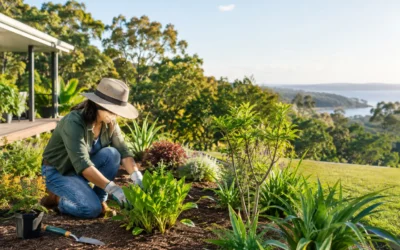
A good planting plan balances appearance with resilience. It should provide shape, colour and shade without making the garden difficult to manage. Drought-tolerant and climate-suited choices are often a smart foundation, particularly in exposed areas where watering is limited.
Layering plants by height gives a garden depth and makes maintenance easier. Groundcovers can soften edges and cover bare soil, shrubs can provide privacy and structure, and carefully positioned small trees can bring welcome shade. However, mature size matters. A plant that looks tidy in a nursery pot may eventually block a path, crowd a fence or shade out lawn if it has been placed without enough room.
For properties near the coast, tolerance to wind and salt exposure should be part of the selection process. In wetter locations, plants need to cope with periods of high moisture without failing. Local conditions should guide the plant palette, not the latest trend.
Keep the finished garden looking cared for
A landscape does not need constant attention, but it does need consistent attention. Mowing, edging, weeding, pruning and seasonal clean-ups protect the investment made in the original work. Regular care also identifies small issues before they become bigger ones, such as blocked drainage, stressed plants, hedge growth over paths or turf thinning in a shaded section.
This is where using one provider for both the makeover and ongoing maintenance can make life easier. The team that understands the original layout, irrigation and planting can keep the garden progressing as intended. Evolve Gardens & Landscaping can support one-off clean-ups, larger transformations and regular lawn and garden maintenance, depending on what suits the property.
For busy households, a scheduled visit can remove the pressure of trying to catch up on an overgrown yard every few months. For lifestyle-property owners, it can help keep presentation and access under control between visits. The right frequency depends on the season, garden size and how formal you want the result to look.
What to discuss before requesting a quote
A clear quote starts with clear priorities. Think about the areas that cause the most frustration now: a muddy side path, an overgrown boundary, no usable entertaining space, water pooling near the house, or garden beds that never seem to thrive. Photos and a site visit help turn these concerns into practical options.
It also helps to separate must-haves from nice-to-haves. Drainage, safe access and retaining work may need to come first, while extra planting or decorative finishes can be staged later. A good landscaper will explain realistic timeframes, site requirements and the order in which work needs to happen, rather than promising a rushed result.
The most rewarding outdoor spaces are not the ones that demand the most attention. They are the ones that make everyday life easier, whether that means a lawn ready for the kids, a private place to sit after work, or garden beds that still look cared for when the weather turns. Start with the problems your yard needs to solve, and the right landscape will follow.