A puddle that remains after a decent Northern Rivers shower is not always a problem. Water that still sits in the lawn, beside the house or across a path days later is different. If you are asking what causes pooling water, the answer is usually a combination of rainwater flow, soil condition, levels and the way the outdoor area has been built or maintained.
Our region can receive intense downpours, followed by long dry spells that bake and harden the ground. That puts pressure on yards that are flat, compacted, poorly drained or simply not designed to direct water away from key areas. The good news is that most pooling issues can be traced to a practical cause and improved with the right site-specific work.
What causes pooling water around a home?
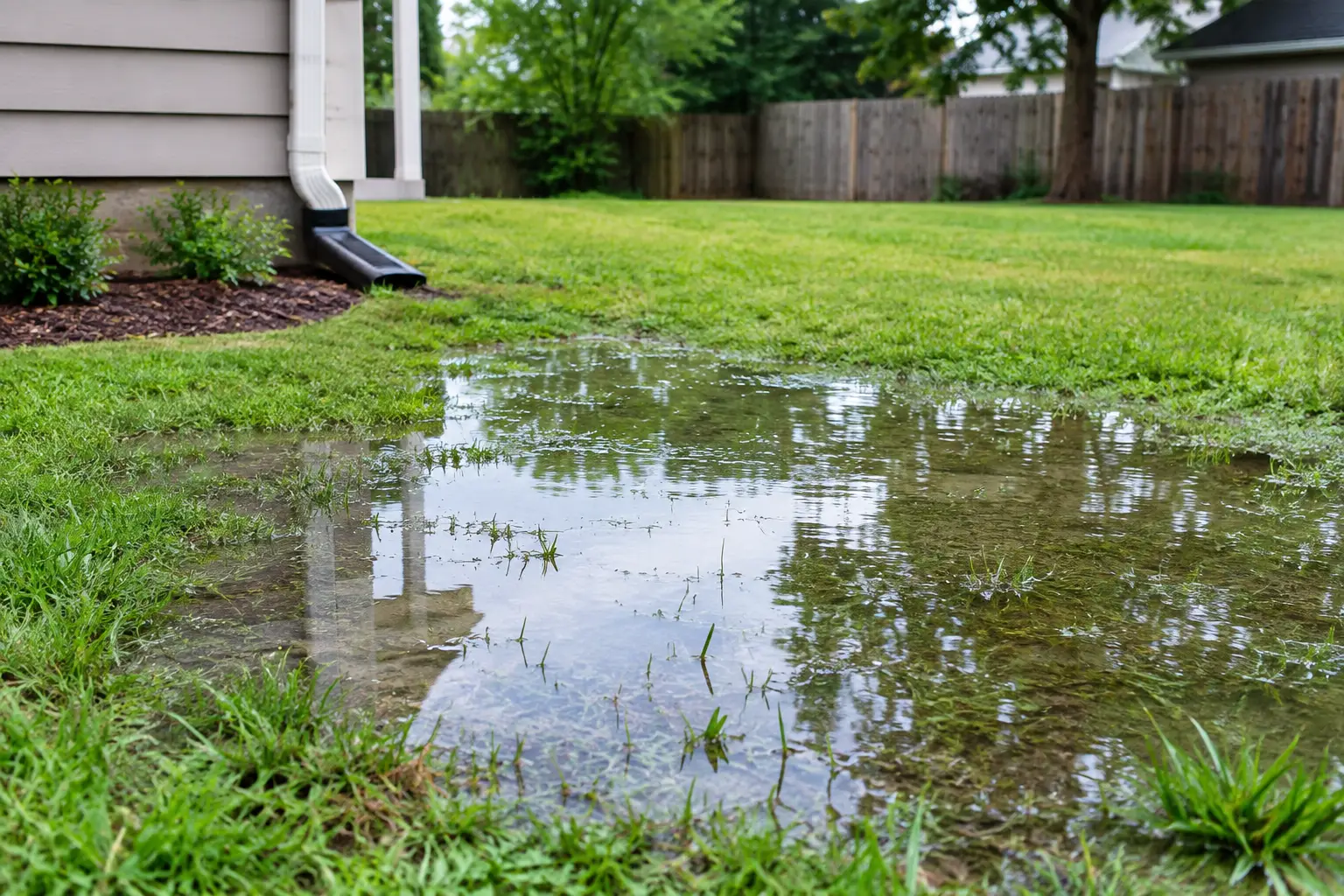
Pooling water happens when more water arrives in an area than the ground or drainage system can absorb and move away. It may show up as a soggy patch in the lawn, water gathering along a retaining wall, a muddy garden bed, or runoff moving towards the house.
The location matters. Water sitting in an open lawn after heavy rain may mainly affect how usable the yard feels. Water collecting against a slab, under a deck, near paving or at the base of a wall needs quicker attention, particularly if it is recurring. Prolonged moisture can contribute to slippery surfaces, lawn damage, mosquito breeding, soil erosion and, in some cases, moisture issues around the building.
Poor yard grading and low spots
A yard needs a clear path for surface water to follow. If the land falls towards the house, garage, shed or outdoor entertaining area, rain naturally collects where you least want it. Even a small low point can hold a surprising amount of water during a summer storm.
Poor grading is common after renovations, turf installation, driveway work or garden changes. New soil may settle over time, pavers can shift, and a once-effective slope can become flatter as garden beds are built up. On sloping blocks, the issue may be water travelling downhill from a neighbouring area or upper section of the property and stopping at a level lawn or paved zone.
Correcting levels is not always a matter of bringing in a few loads of soil. Adding material without a plan can direct water somewhere else, bury drainage points or create a new fall towards the home. The aim is to shape the ground so water moves safely to a suitable outlet while keeping the yard attractive and practical to use.
Compacted soil that will not absorb water
Northern Rivers soils vary widely, but compacted ground is a common cause of poor drainage across many properties. Clay-heavy soil naturally drains more slowly than sandy soil. It becomes even less absorbent when it has been compacted by building works, regular vehicle access, foot traffic, mowing on wet ground or years of little improvement.
Dry periods can make the top layer hard and crusted. When a heavy storm arrives, water runs over the surface instead of soaking in. You may notice water ponding in a lawn while nearby garden beds drain more freely, or runoff carrying soil and mulch towards drains and paths.
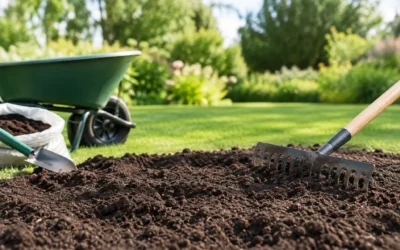
Aerating turf, improving soil structure with suitable organic matter and avoiding unnecessary compaction can help in some situations. However, soil improvement alone will not solve a significant level or drainage problem. It works best as part of a broader plan that considers where the water comes from and where it needs to go.
Blocked, undersized or disconnected drainage
Gutters, downpipes, stormwater pits and agricultural drains all need to carry water efficiently. A blocked grate full of leaves, a crushed pipe, a disconnected downpipe or a drain that is too small for the catchment can quickly create pooling during heavy rain.
Garden growth can also hide the problem. Dense plants, leaf litter and soil wash can cover a pit, while tree roots may interfere with older drainage lines. If water appears in the same place soon after rain starts, rather than only after the ground is saturated, it is worth checking nearby roof runoff and drainage points first.
Downpipes should not discharge straight beside the house or onto an already wet garden bed. They need to connect to an appropriate stormwater solution designed for the property. Where drainage work is required, the final approach depends on site levels, soil, existing services and council requirements.
Paving, driveways and hard surfaces
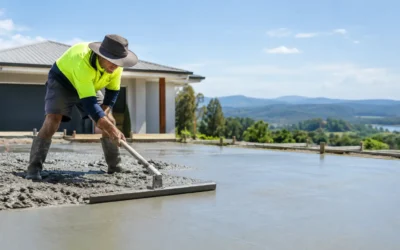
Hard surfaces shed water much faster than lawns and garden beds. A new patio, concrete path, driveway or pool surround can change the amount and direction of runoff across a yard. If the surface has been laid with an incorrect fall, water may sit on the paving or be directed into a lawn, garden bed or building edge.
In some cases, the paving itself is not the problem. It may be doing exactly what it was designed to do, but there is no drainage at the low point. A channel drain, spoon drain, correctly positioned pit or a revised surface fall may be needed to collect water before it spreads.
There is a balance to strike. Extensive impermeable paving can reduce maintenance and create useful outdoor living space, but it also increases runoff. Well-planned landscaping can offset this with permeable surfaces, planted areas and drainage that suit the amount of water the site receives.
Garden beds, edging and retaining walls
Garden upgrades can unintentionally trap water when edging, sleepers or retaining walls interrupt the natural path of runoff. A raised bed built along the bottom of a slope, for example, may act like a small dam if there is no way for water to pass through or around it.
Retaining walls require particular care. Water building up behind a wall adds pressure and can lead to staining, movement or failure over time. Proper drainage behind the wall, suitable backfill and drainage outlets are part of sound construction, not optional extras.
Mulch and planting also influence drainage. A healthy garden bed can absorb rainfall well, but soil that is packed down, bare or sitting below surrounding hard surfaces may become a collection point. The right planting can help stabilise soil and soften runoff, especially on slopes, but plants cannot compensate for poor drainage design.
How to identify the source of pooling water
Before choosing a fix, observe the area during rain if it is safe to do so. Watch where water enters the yard, the route it takes and where it stops. Check again several hours later and the following day. This helps distinguish a temporary surface puddle from a deeper drainage issue.
Look for clues such as algae on paving, muddy tracks across lawns, exposed roots, washed-out mulch, water marks on walls, soft turf and dying plants in one section of a bed. Also check whether the problem occurs after every shower or only after prolonged rain. Frequent pooling from light rain can point to blocked drainage, poor falls or compacted soil. Pooling only after extreme weather may require a different response, focused on managing larger volumes safely.
It is also worth considering changes around the property. Has a neighbour raised their block? Has a new roof area, shed, driveway or patio been added? Has a drain been covered during landscaping? Small changes can alter water movement more than expected.
Practical fixes for a waterlogged yard
The best solution depends on the cause. For a shallow lawn depression, regrading and returfing may be enough. For a wet area below a slope, a combination of surface shaping, subsoil drainage and planting may be more appropriate. Where roof water is contributing, repairing or extending the stormwater connection can make a major difference.
Common drainage improvements include reshaping soil levels, installing pits and pipes, adding channel drainage beside hard surfaces, creating drainage behind retaining walls, and using gravel trenches or agricultural drains where suitable. In some yards, a dry creek bed or planted swale can manage surface flow in a way that looks natural rather than purely functional.
Avoid quick fixes that simply move water towards a fence line, neighbour’s property or the house. Likewise, filling a low spot with loose topsoil may provide a short-lived improvement if the soil settles or the underlying drainage issue remains. A durable result considers the whole yard, from roof runoff and upper slopes through to the final drainage point.
When to arrange a professional site assessment
It is sensible to seek advice when water is collecting near the house, garage or retaining wall; when lawn stays boggy for days; when paving becomes slippery; or when you can see erosion and soil movement. A site assessment is especially useful for larger landscape projects because drainage, paving, turf, planting and retaining work should be planned together rather than added one at a time.
At Evolve Gardens & Landscaping, we look at how your particular block handles water, including existing levels, hard surfaces, soil conditions and the way you use the space. From a targeted garden correction to a broader landscaping solution, the aim is a yard that drains properly and still feels like a place you want to spend time in.
Water will always follow the easiest route. Giving it a safe, considered path now can protect your home, keep your garden healthier and make the next big downpour far less of a concern.